Yes, plastic pink flamingos on a lawn can be a swinger signal. But the real story has more layers than a simple yes or no.
The flamingo started as 1950s kitsch, a mass-produced lawn ornament from a factory in Leominster, Massachusetts. The counterculture reclaimed it. The LGBTQ+ community embraced it. And somewhere along the way, in the gravel lots of RV parks and the cabin-lined hallways of cruise ships, swingers adopted it as their quiet wink. No rulebook, no founding moment. Just communities finding playful ways to recognize each other.
This article covers where the connection started, why flamingos specifically work as a symbol, what people in the lifestyle actually say about lawn-ornament signaling, the full cast of swinger symbols beyond the flamingo, how TikTok turned whispered folklore into a global conversation, and what to do if you are curious about exploring the lifestyle yourself.
Curiosity about this is normal, and it is common. Millions of people wonder about ethical non-monogamy and swinging every year. 3Fun is a place where that curiosity is welcome, not judged.
Where Did the Flamingo Swinger Connection Actually Come From
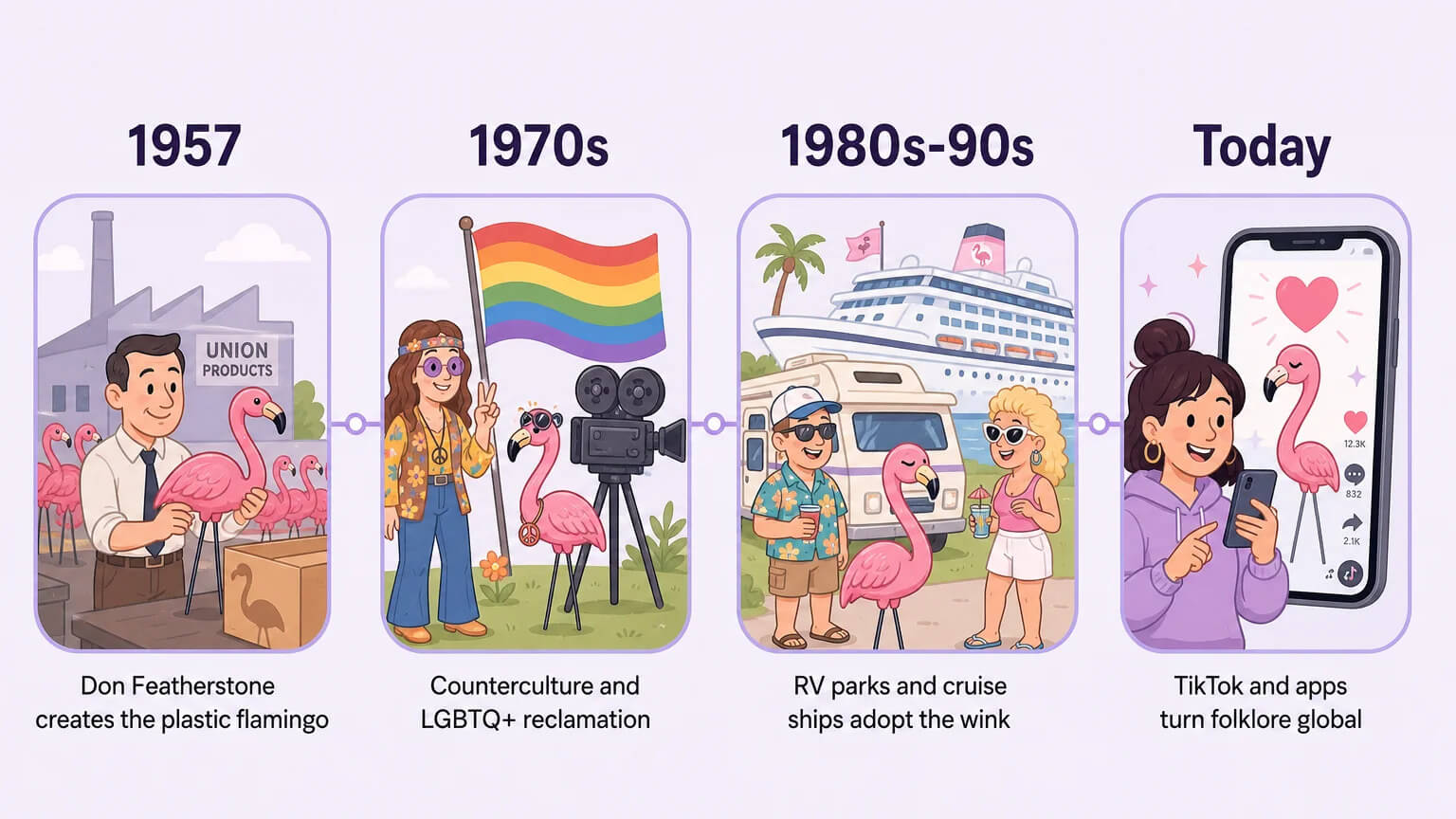
In 1957, Don Featherstone, a 21-year-old art school graduate, sculpted the first plastic pink flamingo for Union Products in Leominster, Massachusetts. He worked from a National Geographic photograph. Live flamingos were not easy to come by in post-war Massachusetts. Sears sold them for $2.76 a pair.
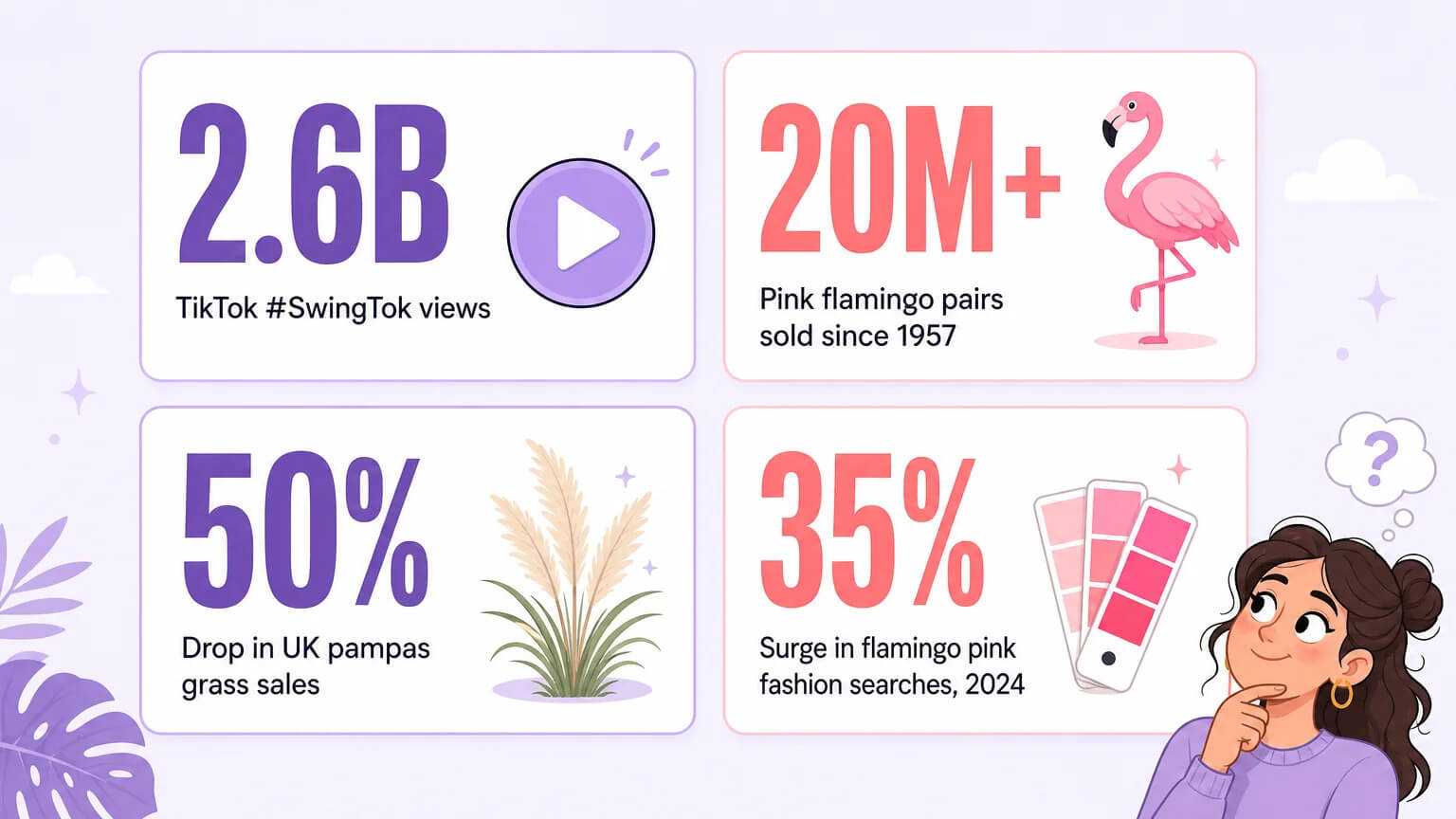
Union Products moved over 20 million pairs. It was mass-market lawn kitsch. Affordable, cheerful, unpretentious. Featherstone kept 57 flamingos on his own lawn, one for each year since their creation. He won the Ig Nobel Prize in Art in 1996 and was, by all accounts, delighted by what the bird became.
In the 1970s, the counterculture reclaimed the flamingo as an ironic statement. John Waters’ 1972 film “Pink Flamingos” pushed the bird into transgressive art, casting it as the mascot of defiance. LGBTQ+ communities embraced its unapologetic flamboyance. In 1979, students at the University of Wisconsin planted 1,000 pink flamingos on the dean’s lawn, kicking off the “flocking” phenomenon. By the time swingers adopted it, the flamingo already meant “I do not conform to suburban norms.” That work had been done decades before anyone hung one outside an RV.
The swinger-specific path followed a grassroots route. In the 1980s and 1990s, RV parks and campgrounds became informal hubs for lifestyle-friendly communities. These were loose networks of people who recognized each other through small signals. A flamingo outside your RV was a wink, not a billboard. It was ambiguous enough to fly under the radar in a less accepting time, and specific enough that someone in the know might catch the hint.
Cruise ships amplified the same dynamic. Decorating your cabin door with a flamingo magnet signaled openness without saying a word to the wrong person. It was small, cheerful, and easy to explain away if your neighbors were not in the lifestyle.
Then the internet took over. What had been localized folklore, stories passed between campers and cruisers, became a global meme. Forums, social media groups, and eventually TikTok turned the flamingo-swinger connection from whispered code into public trivia. The internet did not invent the association. It just told everyone about it at once.
There is no single founding moment. The connection is genuine but grassroots, born from communities finding playful, low-risk ways to recognize each other.
Why Flamingos? The Psychology and Symbolism That Make It Work
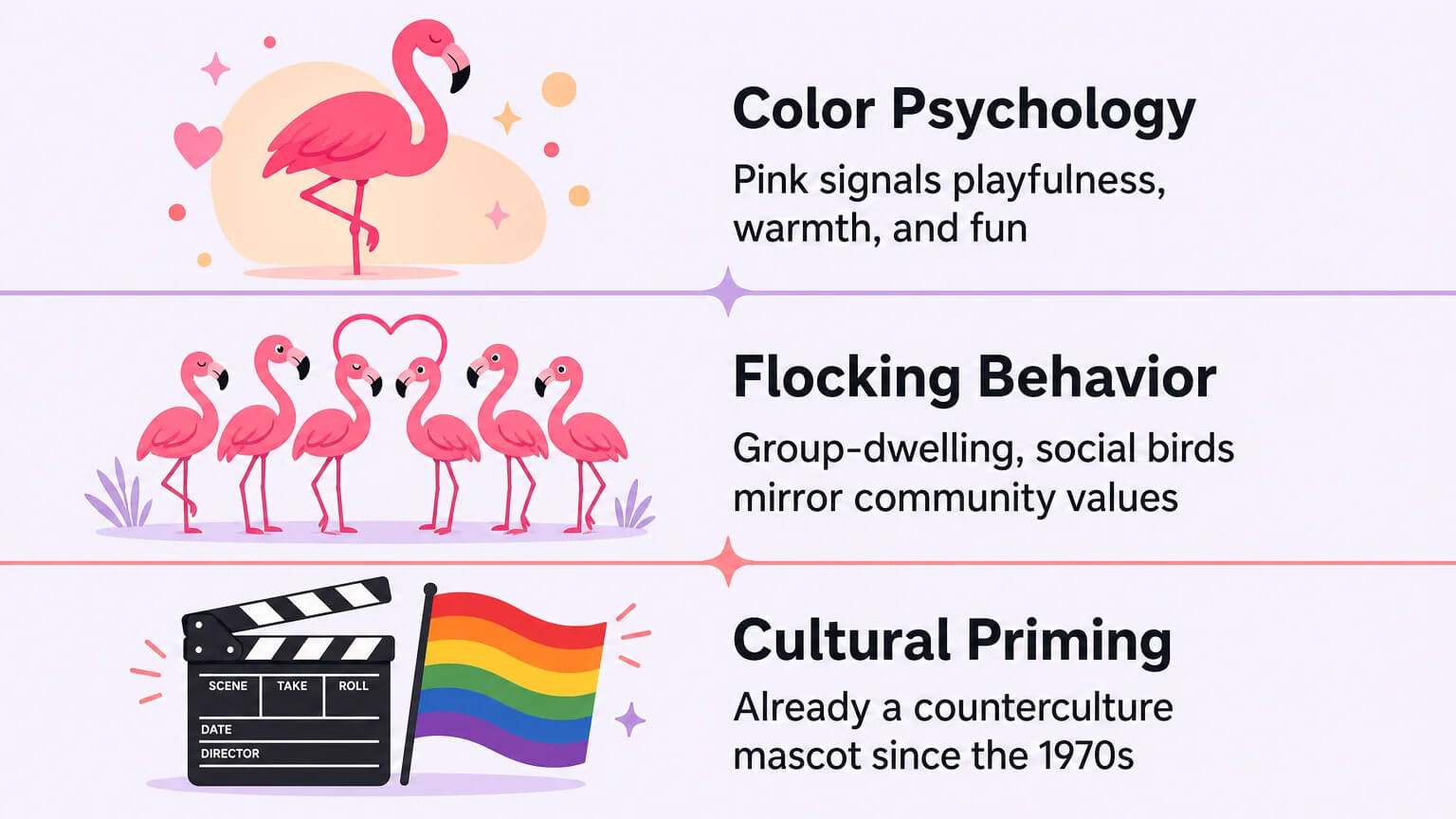
Of all the objects in the world, why did a plastic bird become a swinger symbol? The answer sits across three layers, and each one makes more sense than you might expect.
First, color psychology. Pink is universally associated with playfulness, warmth, and approachability. It signals “this is not serious, this is fun.” In a subculture where newcomers are often nervous and stigma is real, a pink symbol disarms. Unlike red, which reads as aggression, or black, which suggests secrecy, pink says “relax.” Pink is the least threatening color you can pick. For people navigating a lifestyle that can feel intimidating from the outside, that matters. A pink lawn ornament does not look like a declaration. It looks like a smile. Flamingo pink surged 35% in fashion searches in 2024, part of the “dopamine dressing” trend of using bold color for mood elevation.
Second, the bird itself. Flamingos are naturally group-dwelling, highly social, and visually flamboyant. They gather in large flocks. A group of flamingos is called a flamboyance. Their mating displays are communal. The bird’s own behavior mirrors the community-oriented, expressive nature of swinger culture. It is almost too fitting. You could not design a better animal mascot for a subculture built around social connection if you tried. Don Featherstone was not trying. He just picked a bird because it looked interesting in a National Geographic photograph.
Third, cultural priming. By the time swingers adopted the flamingo, it had already spent two decades as a counterculture mascot. John Waters had made it the face of outsider art. LGBTQ+ communities had claimed it as a symbol of visibility. The rejection of suburban conformity was baked into the plastic. Swingers inherited a symbol already doing half the work, and they added their own layer.
There is also a playful absurdity here that deserves its due. A mass-produced lawn ornament carrying this much cultural weight is inherently funny, and that humor is part of the point. The lifestyle is supposed to be fun. The symbol matches the vibe.
What People in the Lifestyle Say About Flamingos and Lawn Signals

For all the internet lore about flamingos and pineapples, what do people actually in the lifestyle say? They mostly describe physical symbols as fun folklore, not practical communication.
A couple married 13 years, together over 16, spoke candidly about this on The Cruise Pod. Their take was direct: physical symbols are “more about folklore than fact.” In their experience, the real tools of connection are private Facebook groups, lifestyle-specific dating apps, and in-person events at clubs and resorts. They have never seen an upside-down pineapple used as a genuine signal in real life, despite years of cruising. Most people with pineapple decorations, they noted, are “usually doing it as a joke.”
Plenty of others agree. The practical reasons stack up. Most people in the lifestyle are private about it, not because they are ashamed, but because they have vanilla jobs, families, and neighbors. Broadcasting via lawn ornament is both too visible and too ambiguous. Is that flamingo a signal, or did the homeowner buy it at Home Depot because it was on sale? Is the upside-down pineapple on that cruise cabin door an invitation, or did a kid stick it there as a joke?
The ambiguity that makes these symbols fun also makes them unreliable. And reliability matters when you are trying to find real connections.
Some RV parks have gone so far as to ban all lawn decorations, not because management is anti-lifestyle, but because the ambiguity created confusion for everyone. When a garden gnome might mean one thing, a flamingo might mean another, and nobody agrees on which means what, the simplest solution is to remove the guessing game entirely.
The symbols are not meaningless. They carry genuine cultural weight within the community. They are in-group lore, shared history, a visual shorthand that says “I know the reference.” But they are not how actual connections happen. Direct, respectful conversation wins out over cryptic symbolism every single time.
Swinger Symbols Beyond the Flamingo: What Is Real and What Is Not
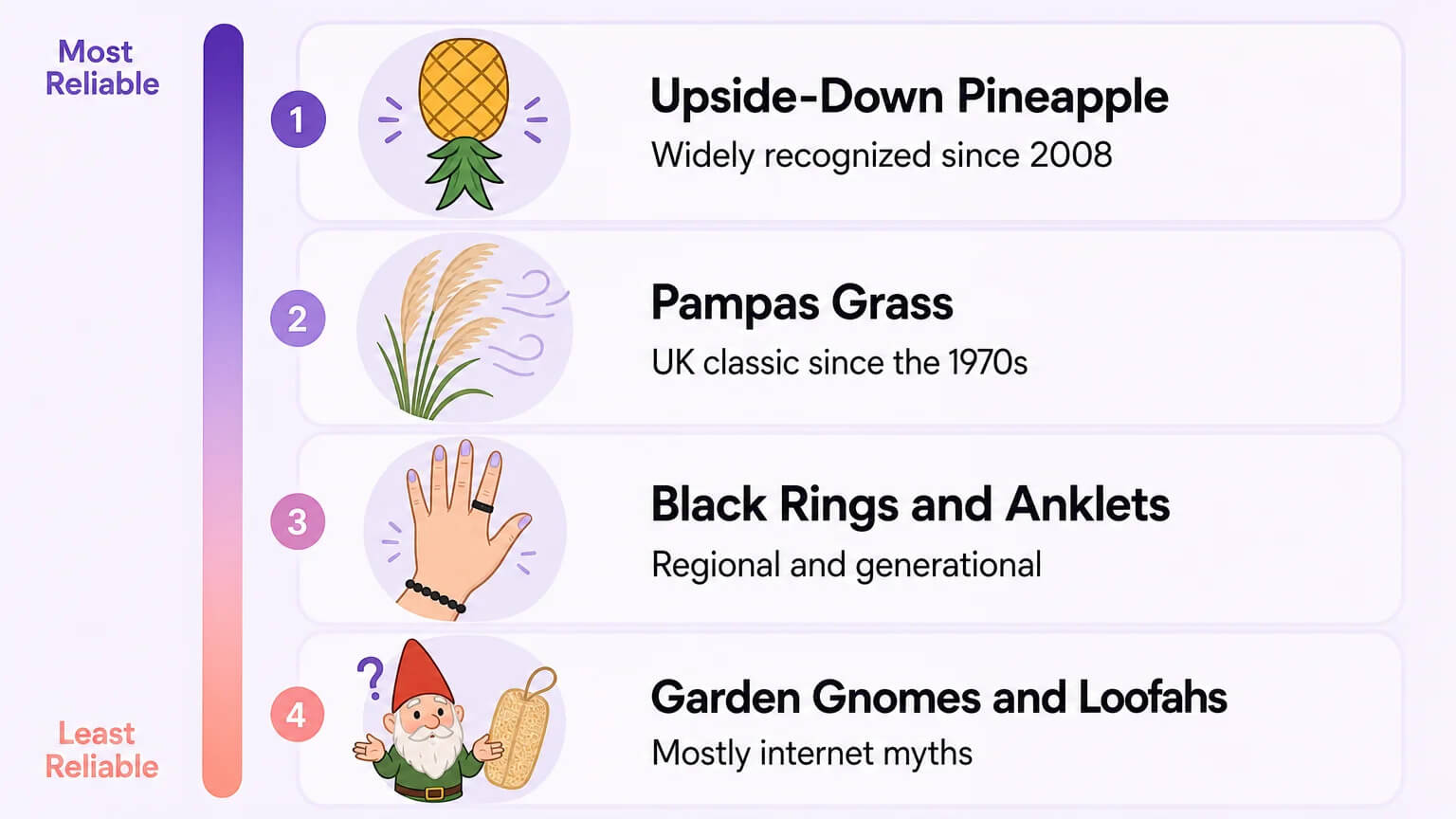
Flamingos are just one entry in a surprisingly large, occasionally absurd catalog of rumored swinger symbols. Some carry real weight. Some are regional or generational. Some are pure internet invention. Here they are, sorted by how much you should actually believe them.
If one symbol dominates the conversation, it is the upside-down pineapple, turned stem-down. The earliest traceable online mention appeared in a 2008 lifestyle forum post. Its real cultural explosion came through TikTok, where #SwingTok reached 2.6 billion views and the pineapple became the unofficial mascot of lifestyle curiosity online. The symbol broke containment so completely that Carnival Cruise Lines banned upside-down pineapple door decorations, prompting pushback from lifestyle travelers who noted how much money swinging couples spend on cruises annually. The controversy only amplified the symbol’s visibility. Today, the upside-down pineapple is the closest thing the lifestyle has to a universal symbol.
Then there is pampas grass, the UK classic. Planted in front gardens in Britain since the 1970s, it became a well-known swinger signal. The association grew so widespread that sales reportedly dropped 50% when non-swingers started digging it up to avoid association. British journalist Mariella Frostrup received calls from concerned strangers after she planted pampas grass in her own garden, having no idea what it supposedly meant. The pampas grass story is a case study in how these symbols work: quiet signals within a community leak into broader awareness, and the ambiguity creates comedy.
Some symbols have genuine community history but are far from universal. A black ring worn on the right hand carries real meaning in certain circles. Certain anklets and toe rings carry similar weight in specific regions or generations. But assuming someone wearing a black ring is in the lifestyle is a fast track to awkwardness. Most people wearing black rings just like black rings.
At the bottom of the reliability scale sit the internet inventions. Garden gnomes, loofahs, white rocks, colored wristbands. These circulate on TikTok and online forums with little to no grounding in actual community practice. Someone, somewhere, posted a theory, and the algorithm did the rest. If you see a garden gnome in someone’s yard, the safest assumption is that they enjoy garden gnomes.
Here is the bottom line: none of these symbols are a reliable code. They are cultural in-jokes, regional folklore, and sometimes pure invention. The only way to know if someone shares your interest in the lifestyle is to have an honest conversation with them.
From Lawn Ornaments to TikTok: How Social Media Rewired Swinger Signaling
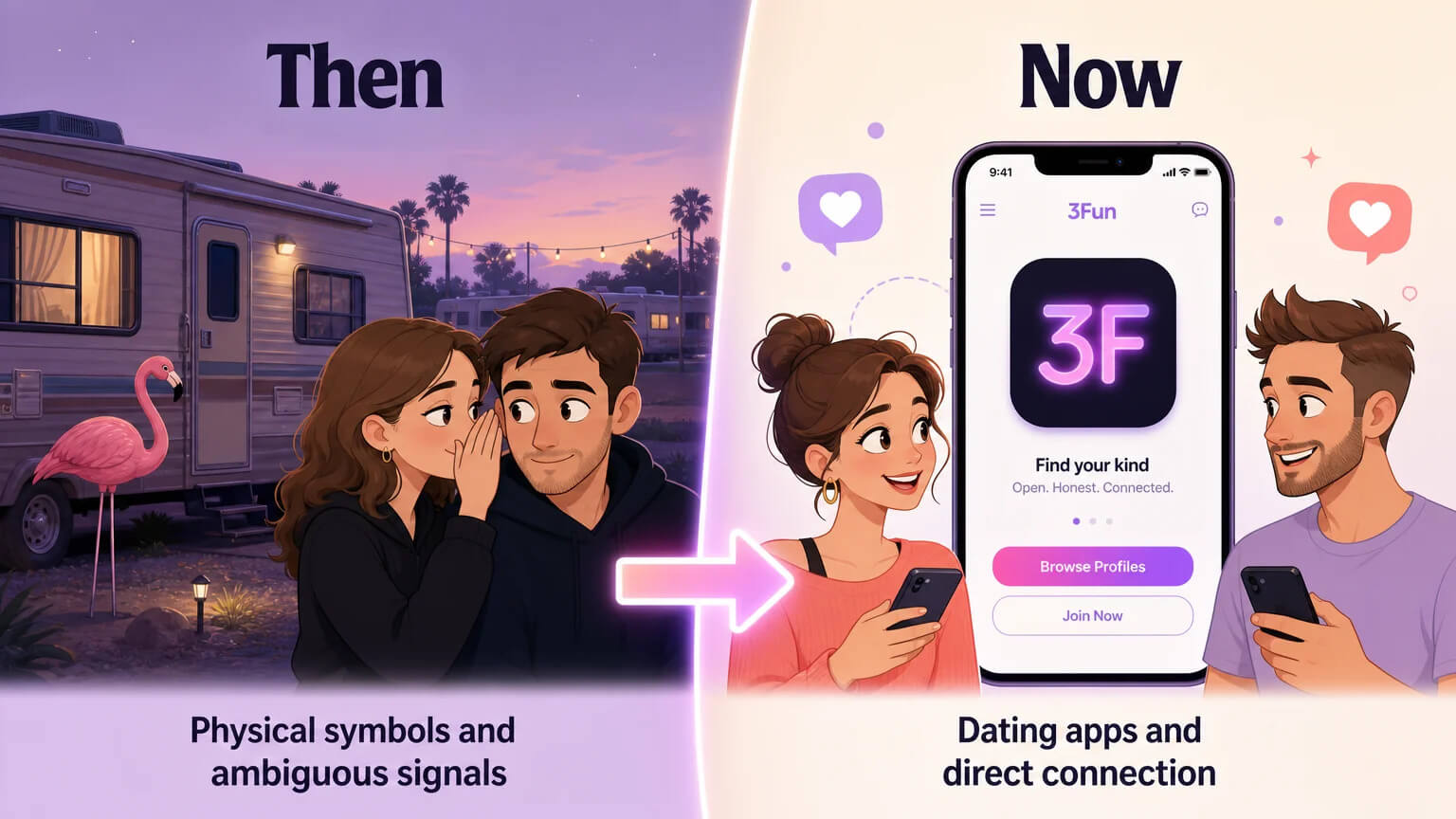
Swinger signaling splits cleanly into two eras. The dividing line is the internet.
In the decades before, signaling was necessarily subtle. Whispers at parties. Magazine classifieds in the pre-internet era, tiny text ads in the back pages where only the curious would look. Then RV park decorations and cruise cabin doors, the flamingo and the pineapple working precisely because they were ambiguous enough to fly under the radar. You could plausibly deny the signal if the wrong person asked. That plausible deniability was the whole point.
Then the internet demolished the need for ambiguity. TikTok’s #SwingTok hashtag, at 2.6 billion views, turned private folklore into public conversation. Facebook groups connected local communities. Online forums gave newcomers a place to ask questions anonymously, sometimes for the first time in their lives. Dedicated dating apps, built specifically for ethical non-monogamy, threesomes, and swinging, removed the guesswork entirely. You no longer need to wonder whether a lawn decoration is a coded message.
Why wonder if someone’s flamingo is a signal when you can open an app and find people who have already told you they are interested?
That is a real change. The old physical symbols are not obsolete. People still put pineapples on their cruise doors and flamingos in their yards. But now those symbols are more about identity expression and in-group fun than about finding partners. The flamingo on your RV says “I am part of this community.” It no longer means “approach me.”
The actual connecting happens elsewhere: apps, private online groups, lifestyle events, clubs, meet-and-greets, cruises designed for the community. The symbol might get you into the conversation. The app is where you actually have it.
3Fun was built for this exact evolution. A purpose-built space where curious newcomers and experienced community members connect directly, without needing to decode lawn ornaments or guess at door decorations. Everyone there is on the same page, which removes the hardest part of being new: the fear of judgment.
I’m Curious. What Now? A Judgment-Free Guide for Newcomers
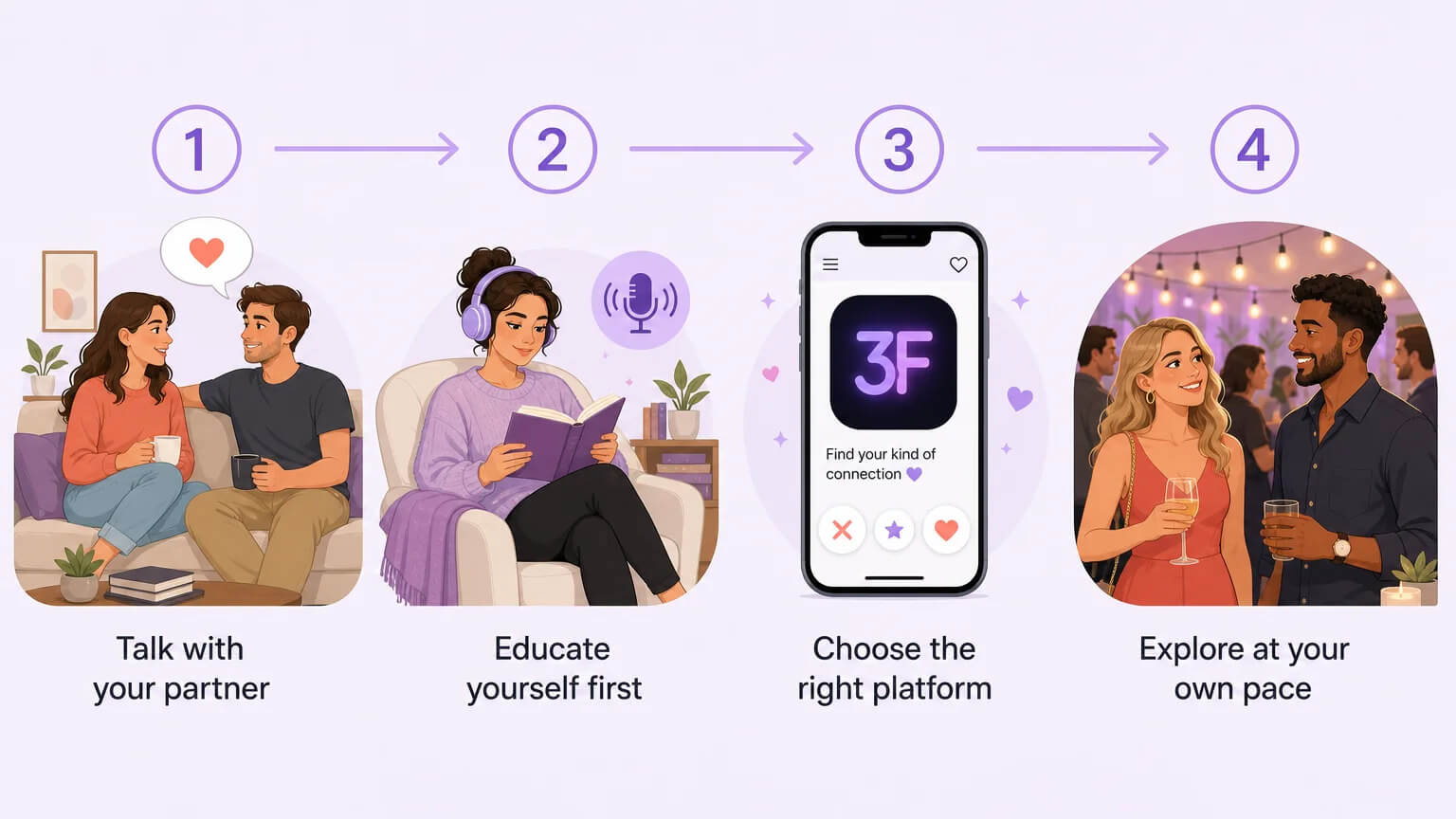
Being curious is normal. Millions of people explore ethical non-monogamy and swinging every year. Wondering “is this for us?” is a healthy question, not a red flag. It is a sign that you and your partner are secure enough to ask interesting questions together.
Step one: the conversation with your partner. If you are in a relationship, honest communication comes first. This is not about convincing anyone of anything. It is about opening a judgment-free dialogue where both of you can speak freely. Low-pressure entry points work best: “I came across an article about swinger symbols and it made me curious. Have you ever wondered about anything like that?” The goal is not to arrive at a decision in one conversation. The goal is to make it safe to talk, and to listen without pressure.
Step two: educate yourself before you jump in. Knowledge reduces fear. Podcasts, YouTube channels, and books by lifestyle educators offer years of hard-won insight. Learn the vocabulary. Understand the spectrum, from soft swap to full swap, from occasional exploration to regular lifestyle participation. Hear stories from people who have been where you are. The more you understand before you act, the steadier you will feel.
Step three: choose the right platform. Purpose-built dating apps like 3Fun are designed for ENM, threesomes, and swinging from the ground up. Unlike general dating apps where you have to explain yourself to people who may not share your interests, everyone on a dedicated platform is on the same page. That one thing removes the biggest barrier for newcomers: the fear of being judged or misunderstood.
Step four: explore in person at your own pace. Lifestyle clubs, meet-and-greet events, and lifestyle cruises offer low-pressure environments to observe, ask questions, and connect. There is no obligation to participate. Many newcomers spend their first several visits just watching and talking. That is normal. Anyone who pressures you to move faster than you are ready is giving you useful information about who not to engage with.
Some people take months to move from curiosity to action. Others take years. There is no timeline. The only requirement is honest communication with everyone involved. If it is not an enthusiastic “yes” from everyone in the room, it is a hard “no.”
3Fun was designed for exactly this journey: a welcoming first stop where curiosity is met with warmth rather than judgment, and where the next step is always yours to take at your own pace.
Frequently Asked Questions About Flamingos and Swinger Symbols
Is a flamingo really a swinger symbol?
Yes, but it is more cultural folklore than a practical signal. The association grew organically from RV parks, cruise ships, and campground communities where lawn decorations served as playful, ambiguous signals. There is no official rulebook and no single origin point. The flamingo-swinger connection is genuine community lore, not a secret code.
What is the most recognized swinger symbol?
The upside-down pineapple. It gained mainstream attention through TikTok, where #SwingTok reached 2.6 billion views, and it is widely understood within the lifestyle. Carnival Cruise Lines even banned upside-down pineapple door decorations at one point, which only amplified the symbol’s visibility. People in the community describe it as playful lore, something they joke about more than they rely on for actual connections.
Do people actually use lawn ornaments to signal they are swingers?
Rarely in a serious way. People in the lifestyle overwhelmingly use private online groups and purpose-built dating apps to connect. The lawn ornaments are fun in-group folklore, not a practical communication tool. Most people are private about their lifestyle because of jobs, families, and vanilla neighbors, which makes broadcasting via yard decor both too visible and too ambiguous to be useful.
What other swinger symbols should I know about?
Pampas grass planted in front gardens has been a UK swinger signal since the 1970s, widely enough that non-swingers reportedly began removing it to avoid the association. Black rings worn on the right hand carry genuine community history but are far from universal. Certain anklets and toe rings have regional or generational meaning in some circles. Garden gnomes, loofahs, and colored wristbands are mostly internet myths with little real community backing. Context matters: a single flamingo on a suburban lawn is almost certainly decoration. Multiple symbols clustered together at an RV park or on a cruise ship cabin door have a slightly higher chance of being intentional.
How can I safely explore the swinging lifestyle as a beginner?
Start with honest, pressure-free communication with your partner. Educate yourself through podcasts, YouTube channels, and books by lifestyle educators who understand the terrain. Then explore purpose-built dating apps like 3Fun, where everyone shares your interest and nobody needs an explanation. Lifestyle clubs and meet-and-greet events offer low-pressure in-person environments where you can observe and ask questions without any obligation to participate. Go at your own pace. There is no deadline.
Where did the flamingo-swinger connection start?
The plastic pink flamingo was invented in 1957 by Don Featherstone, a young art school graduate working for Union Products in Leominster, Massachusetts. He modeled the bird from a National Geographic photograph. In the 1970s, counterculture and LGBTQ+ communities reclaimed the flamingo as a symbol of flamboyant nonconformity, a rejection of suburban norms. The swinger association grew later, spreading organically through RV parks and cruise ships where lawn decorations served as playful, ambiguous signals among community members. Featherstone himself kept 57 flamingos on his own lawn and was, by all accounts, delighted by what his plastic bird became.