Somewhere in your femdom deep dive, you started meeting accounts that talk in money. One bio reads “tribute before DM.” Another calls itself a findomme and posts “coffee sends welcome.” Then you met the word paypig and had to stop scrolling to ask what you were looking at. The confusion runs both ways: newcomers ask a findomme for a femdom session she will not run, and they ask a lifestyle femdom domme to take money she never demanded, because the two names get swapped as if they mean the same thing.
So here is the short answer up front. Findom vs femdom is not a battle between two separate kinks. Findom is a money-focused practice that sits inside the femdom umbrella, the way every square is a rectangle. The difference is the medium of control. Femdom runs through your person, your body, your time, your behavior, your decisions. Findom runs through your wallet, your income, your spending, what you hand over in cash. Same engine, different fuel.
Below is the full map: clean definitions with the slang explained in place, a head-to-head on the axes that separate the two, the safety reality, because findom moves real money, and a fit check that helps you pick a direction. If you came only for the one-sentence answer, you already have it. If you came to understand which pull is yours, keep going.
Femdom and Findom, Defined: What Each One Is and How They Fit Together
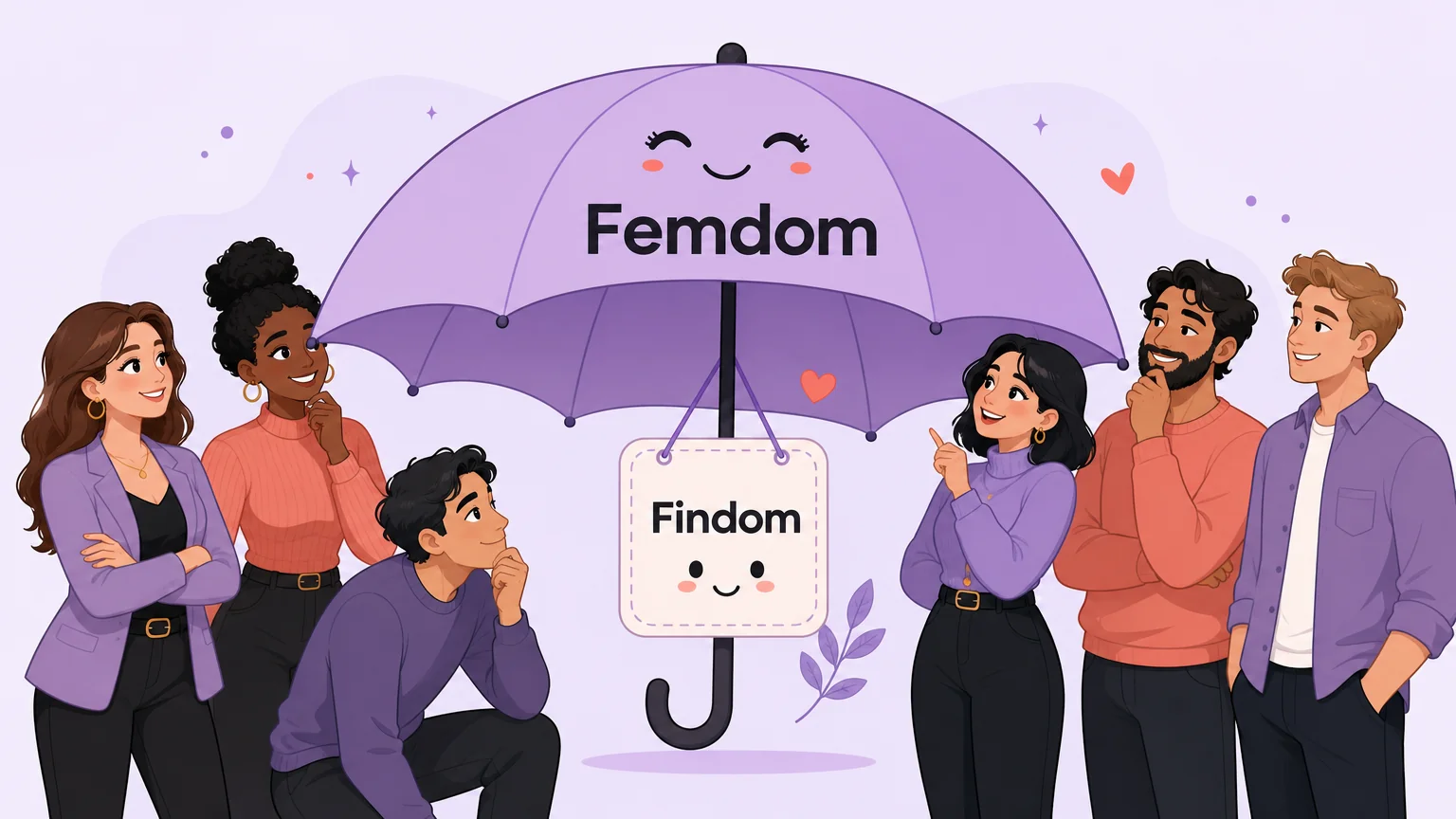
Femdom is short for female domination, a branch of BDSM. It is a power exchange in which a woman takes charge of a submissive partner’s body, mind, roles, behavior, or decisions. Femdom is broader than most first-timers assume, and it shows up in real flavors.
Gentle femdom runs soft, devotional, and nurturing, and the people drawn to it often describe wanting ownership, the comfort of belonging to someone. The harder style runs strict, with firmer rules and sharper discipline. In between sits the version most couples actually live, which is why negotiated agreements beat labels every time.
Findom lives inside that world. Financial domination is a power exchange where the submissive, the finsub, gets gratification from giving money, gifts, or financial control to a dominant who typically provides no sexual service in return. A licensed sex therapist who explains findom states the core plainly: the relationship is the power exchange, not a transaction. “Unlike sex work, the dominant does not typically provide sexual acts, companionship or any conventional services in exchange for the money.”
Put the two definitions side by side and the findom vs femdom category question answers itself. Findom is part of femdom, in the square-and-rectangle sense. As Goddess Fiore, a financial dominatrix, frames it, findom “is part of femdom which is female domination.” Every findom scene is femdom. Not every femdom dynamic is findom. A long-standing femdom relationship with no financial control at all is still fully femdom, and findom, in turn, can exist with zero physical or sexual contact. The umbrella does not require every branch to be soaked.
Findom’s intensity is a spectrum, and most of it sits near the modest end. Play runs from a $10 coffee send up to a total power exchange where the domme controls the sub’s bank account or paycheck and doles out an allowance. Money is not a side effect in a findom scene. It is the instrument. As one findomme puts it, “in BDSM, it might be a whip, and in findom, money is that tool.”
The working slang is easier to meet in place than as a list. A findomme is the financial dominant. A finsub is the financial submissive; paypig, money slave, human ATM, and cash cow are rougher synonyms. Many dommes dislike paypig for how TikTok flattened it, so finsub is the safer default. Tribute is the payment, initial or ongoing, that buys the privilege of contact. Sends are the acts of sending.
A drain is a commanded session of sending that runs until the sub is spent: minutes, hours, or a couple of days. Budget control means the domme directs the sub’s spending, often keeping a cut. Silent sends are money sent with no interaction at all, pure worship with no reply expected.
That is the working map. The rest of this guide scores what changes when a femdom dynamic runs on money instead of on the body alone.
Femdom vs Findom: What Each One Controls, Your Person or Your Wallet
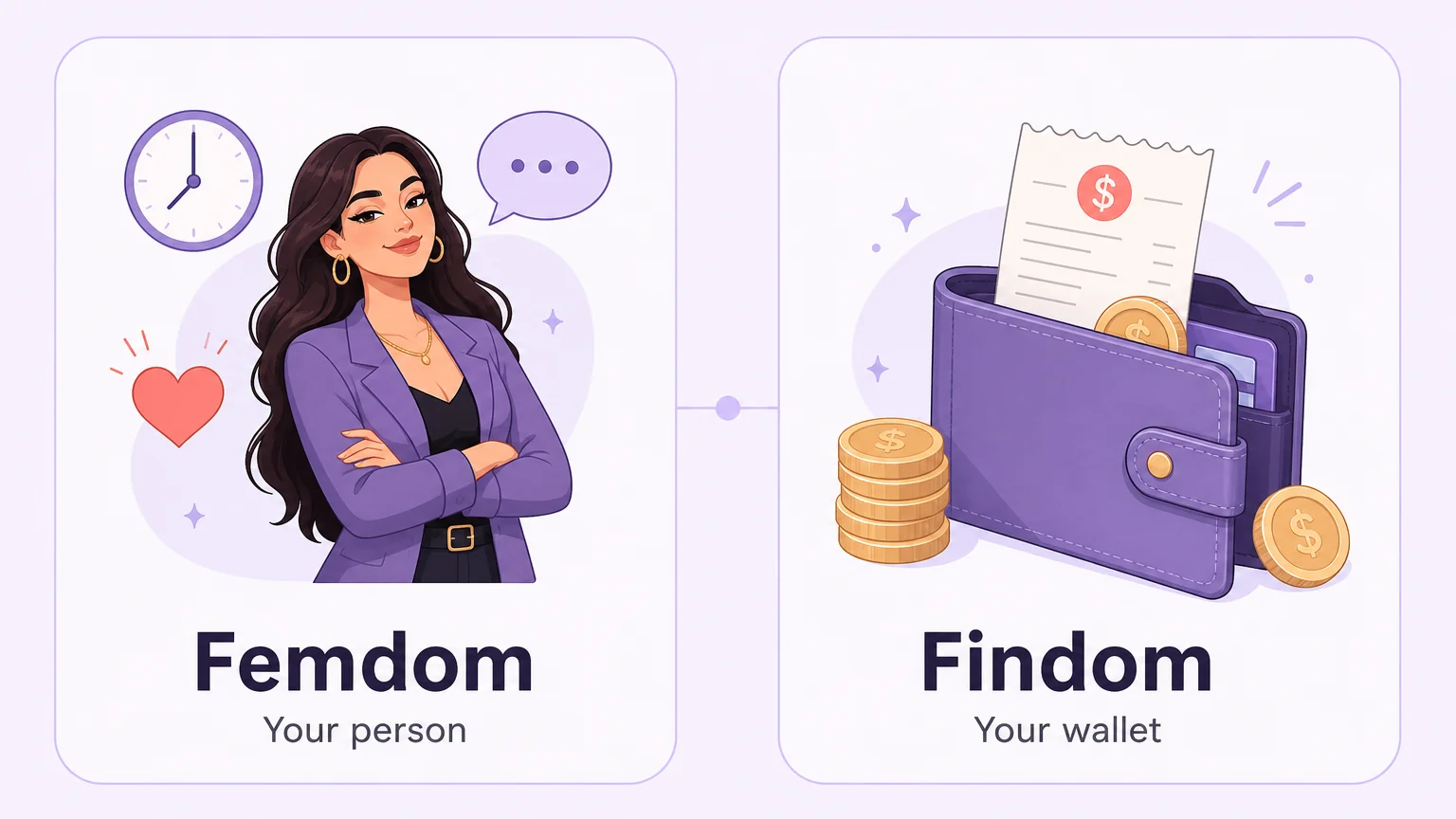
Ask the question at the heart of findom vs femdom: what does the dominant actually hold? Not what she says or wears. What she holds.
In femdom, the answer is a person. A dominant may control what you wear, when you speak, how you serve, the titles you use for her, the rituals you keep, even who you are allowed to see. The same authority may assign rewards and corrections, a dress code, a schedule, small duties that structure a day. It governs a life, not just an hour.
The currency of the scene is your body, your time, and your behavior. That is why femdom leaks so naturally into daily life. It does not need a dungeon. It needs a dynamic.
Findom holds a wallet, and everything a wallet represents. Income. Spending. Savings. The purchases you are allowed to make and the ones you are not. Practitioners describe financial submission as mental submission rather than physical, and that is the line most newcomers miss.
Findom is usually not overtly sexual. Many finsubs do not even want the findomme to undress, and dommes report running entire dynamics fully clothed, because the turn-on is the ordered surrender of money, not a delivered service.
Picture the difference as two sets of orders. A femdom dynamic might say: send a photo of what you are wearing, use my title, do not touch yourself until I say so. A findom dynamic might say: transfer your payday, show me the receipt, then wait. Both are commands. One governs a body; the other governs a balance.
Keep the two-column version in your head: femdom controls time, behavior, body, and roles. Findom controls income, spending, savings, and purchases. That is the whole findom vs femdom difference in miniature. Run any dynamic you meet through one test. If the dominant’s authority over your finances is the whole game, that is findom. If money never appears, or shows up only as a courtesy, you are looking at femdom without the money fetish.
Femdom vs Findom, in Person or Online: How Much Contact Does Each One Need?
Here is the fact that rewires most expectations: a full findom dynamic can run with zero physical contact and zero nudity. Subs often prefer the domme clothed, and the whole scene plays out over messages and payment apps, which is part of why findom grew as an online practice in the first place.
Femdom can run online-only too, and run well. Therapist and practitioner accounts describe thriving distance dynamics built on titles, rituals, and reward-and-punishment systems that never share a room. But femdom’s medium is a person’s behavior and service, so it tends to grow an in-person or cam wing over time. The dynamic wants a body to answer to.
The twist is that findom has real-life forms as well. There are cash meets, where a sub kneels in a public place, an ATM or a shop, and hands over a pre-agreed amount of cash. There are real-life shopping trips and a trusted sub keeping a card on the domme’s Apple Pay. A Channel 4 documentary on the UK findom scene filmed exactly this: one domme met a sub who had traveled five hours, had him kneel at a busy Friday-night spot, and escalated the meet from £800 to over £1,000 with a run to the cash machine.
So contact level is not the divider people assume. Neither femdom nor findom requires meeting in person. If your need is purely virtual and anonymous, findom is the naturally screen-only option, while a femdom dynamic can still begin online and grow from there. On the contact axis of findom vs femdom, findom is the one that never needed a body in the room.
Paid Femdom vs Findom: Is Your Femdom a Findom Because She Charges?
You pay a professional domme for sessions or content, and now you are wondering whether that quietly makes her a findomme. It does not, and the difference is what the money buys.
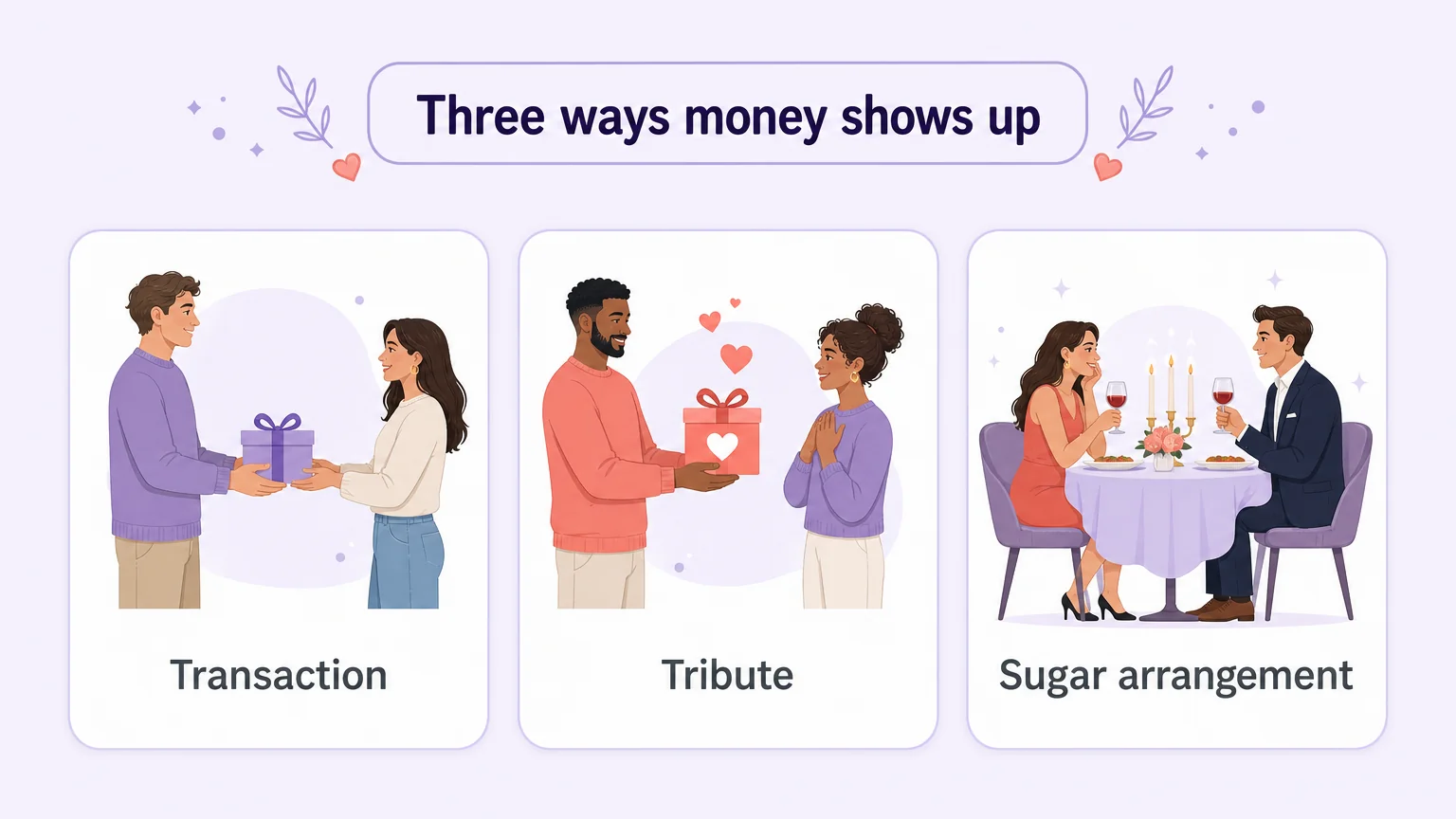
There are three ways money shows up in femdom-adjacent space, and sorting them ends most of the findom vs femdom confusion. The first is a transaction. When you hire a professional domme for a femdom session or buy her content, you are buying a service, and the service is delivered, a clean exchange both people understand. Paid domme work is femdom, and it is not findom. The second is a tribute. Findom tribute buys nothing, and that is the point. The giving itself is the reward, with no session owed, no content owed, no companionship owed. The third is a sugar arrangement. A sugar dynamic pays for a relationship or companionship, which findom also is not. A finsub expects nothing sexual or relational in return.
Newcomers ask the natural follow-up: do you have to pay to be in a femdom dynamic at all? No. Lifestyle dommes do not require payment; the exchange runs on submission, service, and ritual, not on invoices. A domme who demands money while you are still getting to know each other is a warning sign, not a price of entry. Legitimate professionals advertise through their own sites with history and testimonials. They do not cold-approach strangers and ask for tribute before trust.
The practitioner framing is sharper still: the fetish in findom is financial control, not payment for a service. One professional domme markets structured discipline-contract sessions where a sub pays to be placed under her control for a defined arrangement, a service he buys. A findom tribute is the opposite: nothing is owed, and that is exactly what makes it arousing. Dommes have complained for years that subs do not know the difference between findom and femdom, let alone between findom and ordinary paid domme work, so you are in good company if the line took you a minute.
Use the direct version to sort yourself. If you expect a session or content in exchange for money, you are hiring a professional domme. If sending money with nothing owed back is the thrill, you are touching findom.
Femdom vs Findom Psychology: Why One Feels Physical and the Other Feels Mental

The awkward question deserves a straight answer, not a deflection: why would anyone get off on giving money away? Start with femdom, because the psychology builds from there.
Femdom gratification is largely about surrender of the self. Letting a woman hold your autonomy, your body, and your daily decisions can feel like service, like ownership, and on the softer end like devotion and being taken care of. The mind hands over the wheel and, for a while, stops driving.
Findom moves the same surrender into a different register. Money is how our culture measures success, status, security, and self-worth, so handing it over voluntarily is one of the strongest acts of submission available. One findomme describes the charge of knowing a sub’s hard-earned money goes to her pleasure, that she is his priority number one.
The same dommes stress that findom has soft and devotional faces too, not only the humiliating ones the feeds like to show. Kink psychologist Dr. Sarah Ashton puts the mechanism plainly: money represents power on many levels, and the arousal comes from letting someone invade the personal space that is your finances, because people measure their self-worth with their money.
Therapists who work with finsubs add two quieter reasons. Sex therapist Dr. Kate Balestrieri notes that sending can be a release from the stress and responsibility of managing your own money. Psychologist Dr. Jonathan Redelinghuys points to the provider puzzle: men who tie earning and providing to their value but cannot express that in a relationship can find in financial submission an avenue for feeling a sense of contribution. High earners describe the same thing from the other end, a paradoxical sense of empowerment through surrender and a rare chance to stop being in control.
For some people findom is escapism that can tip into compulsion, and regret can land hard after a send. That is no reason to shame the kink, though it is exactly why the safety section below deals with budgets and limits in full.
Keep the psychological contrast simple. Femdom answers “I want to give up control of myself.” Findom answers “I want to give up control of what I earn.” That is the findom vs femdom difference in one sentence.
Where Femdom and Findom Blur: When Money Support Turns Into Findom
Here is what the clean findom vs femdom definitions do not prepare you for: in practice, pure findom is rare. Goddess Molly, a UK findomme profiled in a Channel 4 documentary, says she does not actually know any dommes who are pure findom. Most blend tribute with femdom-style content and sessions, because paid content is the steadier income. The labels stay tidy online and smudge the moment real people get involved.
A femdom dynamic can include money support without becoming findom. Take the couple a therapist describes: an online partner quietly buys his domme cigarettes and pays for her streaming subscriptions. He supports her, she holds his behavior, and the money never becomes the point. That is femdom with financial support, and it stops short of findom because the control of his money is not what is being fetishized.
Couples build blends in the wild too. One real-life pair keeps a paypig they met on Twitter who messages on an agreed schedule to take them shopping, carry their bags, and worship them, and who is otherwise ignored between tributes. The couple enjoys the funding and the attention. The sub gets a contained ritual that never touches the rest of his life.
Because expectations ride on the labels, dommes police them. The boundary is real enough that a dominant will correct a sub in a single line, “I am a findom, not a femdom,” when he asks for the wrong service. The reverse happens just as often.
Use a litmus test on your own dynamic. Is the money a background courtesy, or is it the fetishized object of control? If money shows up to support, you are in femdom. If the command over money is the thrill, findom has entered the femdom.
The short version: the labels are shorthand, not fences. But knowing which one you are in tells you what to ask for and what to expect, and that clarity is what keeps both people safe.
Findom and Femdom Safety: Red Flags, Consent Rules, and the Law
Findom moves real money, so this is not a disclaimer. It is what keeps the kink a kink on both sides.
The sub-side radar. Treat as red flags a tribute demanded “to verify” or while you are still getting to know each other, pressure for immediate or large sends, fees for arbitrary extras like subscriptions, gift cards, or room booking, a refusal to show history or pass a live username-and-word check you control, and any early push for account access. Catfishing is widespread, often men using stolen photos of women, and many subs have sent a tribute only to be ghosted. Vet first: a personal site with testimonials, live verification, and a written agreement before any money moves.
The domme-side radar. The reverse scam is real: fake subs send forged payment screenshots or claim they need a fee to unlock a payment. Use a separate number and identity, and keep your real name, employer, and address private. For cash meets, verify the person’s ID, stay in public, and keep a friend or security nearby. Dommes get stalked, doxxed, and harassed; one faced daily rape-threat calls after sharing a number for a deposit, and another had a sub contact her workplace. Set your own limits, and never spend a payout you might have to return.
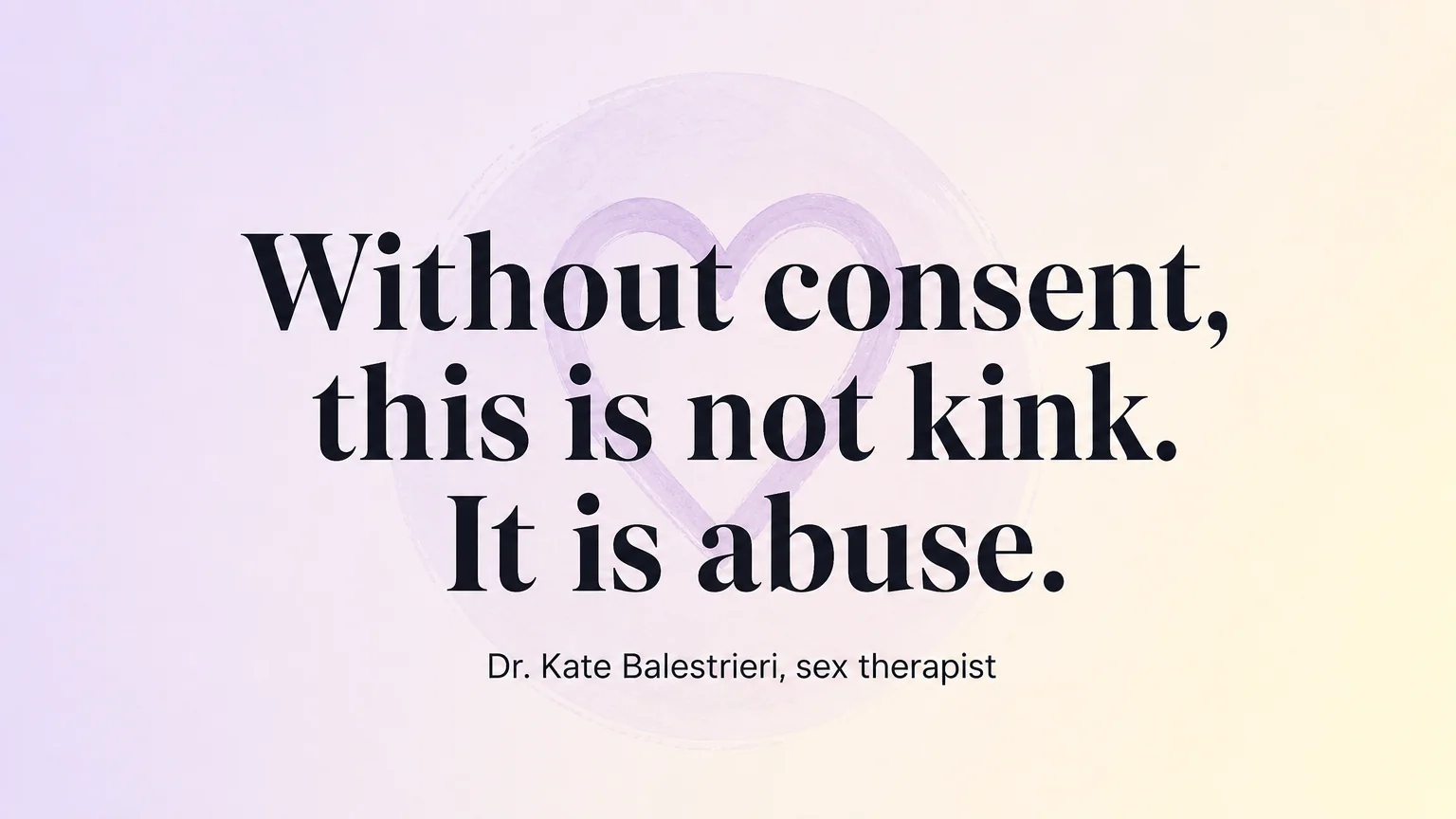
The consent line. Whatever side of findom vs femdom you sit on, ethical play runs on informed, enthusiastic, revocable consent: budgets and hard limits such as “do not contact my employer” or “I will not go into debt,” and a safe word honored instantly. Without consent, says sex therapist Dr. Kate Balestrieri, this is not kink, it is abuse. The community’s shorthand is SSC, RACK, and PRICK. Dommes worth the title refuse to drain a sub to destitution and will raise the topic if a known sub is heading toward losing the roof over their head. The kink can be addictive; the 2025 TikTok gold rush sold it as easy money, and Goddess Fiore warns newcomers to educate themselves first.
The law and the money. Consensual adult findom is generally legal in the US and the UK, but coercion, deception, or unauthorized transfers can trigger fraud laws such as the UK Fraud Act 2006, and no BDSM contract can legalize real blackmail. Calling a tribute a gift does not settle US taxes; courts weigh the payer’s dominant motive, so advertised tribute tiers, scheduled sessions, and attention or content in return look like taxable service income, and 1099-K thresholds do not decide taxability. Non-cash tributes count at fair market value.
Chargebacks are the other reality. A card dispute can reverse a completed tribute and leave the domme with a clawback, a dispute fee, a negative balance, or a ban, and a “no refunds” policy is not absolute protection. Document the amount, date, purpose, and delivery before money moves, and get separate authorization for recurring sends. PayPal and Venmo flag adult-linked accounts, Cash App shuts them down, and Stripe prohibits adult businesses outright.
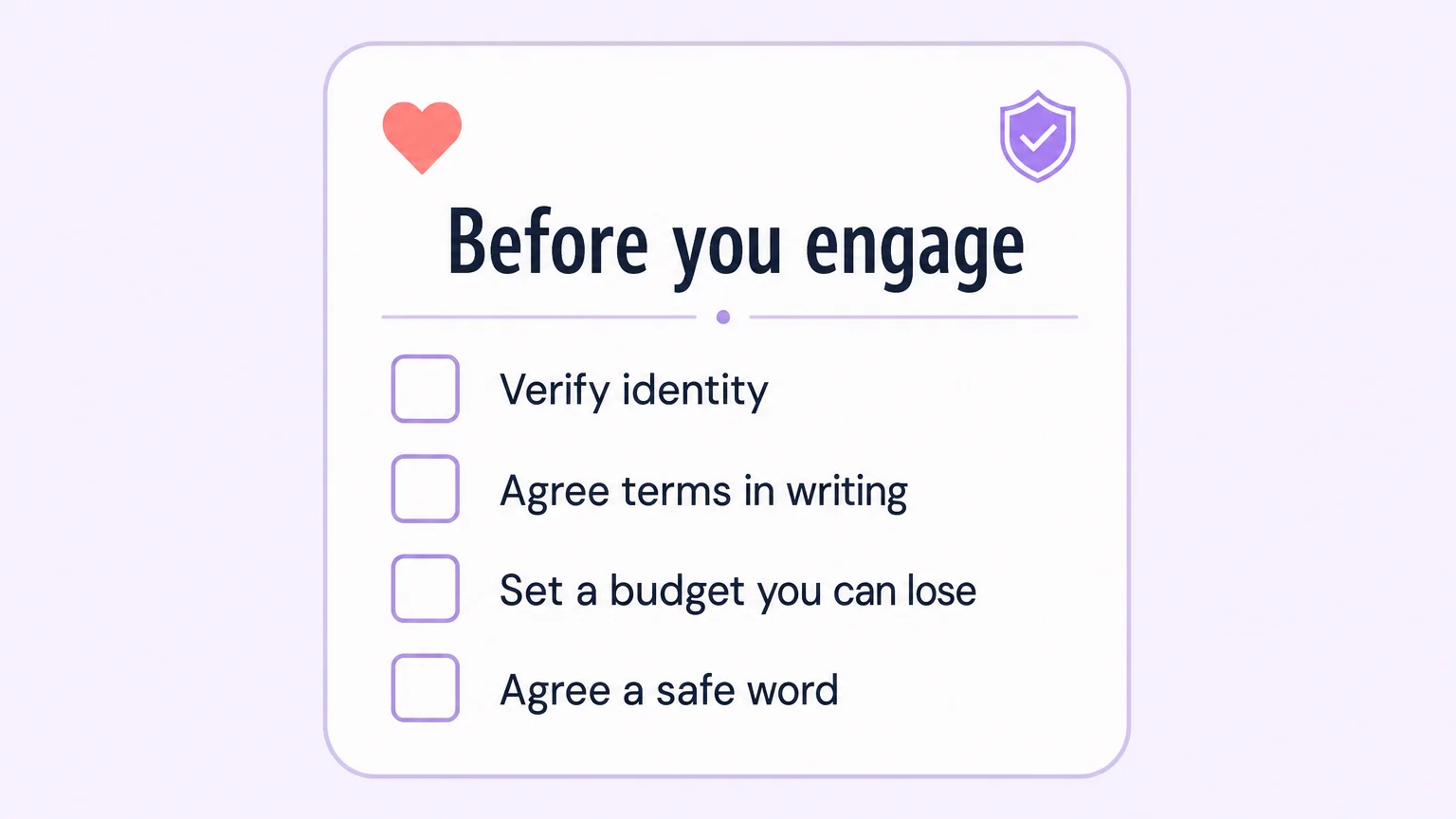
Before you engage: verify identity, agree the money and terms in writing, set a budget you can lose without harm, and agree a safe word. Never let a dynamic spend you past your limits or hide from a partner whose money it touches. None of this is the boring part of findom. It is the part that keeps it play.
Which One Fits You: Femdom, Findom, or a Blend of Both?

By now you know the mechanics. Here is the mirror: which one is you? Run these quick tests against your own fantasies to find your spot on the findom vs femdom spectrum.
Femdom is likely your lane if what lights you up is surrendering authority over your person: being told what to wear or do, earning titles and punishments, serving in daily life, whether you want it gentle or hard. If the picture in your head is a dominant holding your behavior rather than your bank account, that is femdom.
A findom flavor belongs in the mix if the send itself is the turn-on. If replaying the idea of funding a woman’s coffee, her nails, or her rent, of being her priority, of silent sends, or of handing over control of a paycheck is what you come back to, you are describing financial submission. Findomme Princess Lucy describes two common patterns: finsubs who send spontaneously and those who tribute on schedule when their paycheck hits.
Plenty of people are both, and that is normal. Many subs find femdom first and later discover a financial streak. You do not have to be deep in the femdom world to taste findom, though the responsible route is learning D/s basics first. Explore one at a time, and the blend will tell you its shape.
Finding your lane is the easy part. Finding the right person to explore it with, in a dynamic built on the consent this guide keeps returning to, is where most people stall. That search is where a kink-friendly community like 3Fun comes in.
If you are on the dominant side and curious about offering either, be straight with yourself. Learn the BDSM principles first. Expect real work rather than easy money, because income swings from £10 one day to thousands another. And take responsibility for a sub’s financial well-being before you monetize anything. The dommes who last treat the role as a job with duties, not a tip jar.
For couples, money play can fold into an existing femdom dynamic, but only with full consent, within the sub’s real means, with regular check-ins, and never in secret. The stories that reach relationship columnists are rarely about the kink itself. They are about a husband hiding thousands in online sends for three years while presenting as fully in control everywhere else. Secrecy, not submission, is what breaks the bond.
Choose femdom when you want a dominant hand on your day-to-day life. Skip findom if the thought of losing money makes your stomach drop. Choose findom when the gift itself is the high. And whichever you try, start small, set a budget you would not miss, and treat the first coffee-send-scale taste as exactly that: a taste.
The Bottom Line: Femdom vs Findom, and How to Choose
The findom vs femdom answer, condensed: femdom is the umbrella, and findom is the money-focused practice inside it. The difference that matters is the medium of control: your person and behavior under femdom, your wallet under findom. Treat them as rivals and the conversation gets harder. Treat them as one family and the choice becomes clear.
Both are legitimate when they are consensual, budgeted, and revocable. The line between kink and harm is drawn by red flags, hard limits, and honesty, never by how much money is moving.
To land a choice, ask yourself three questions. Does the money itself excite you? Then you are touching findom. Is it the authority over your daily self? Then femdom is your home. Is it a little of both? Explore a blend and start where the pull is strongest.
Whatever you choose, never let a dynamic spend you past what you could lose without harm, and never keep it secret from a partner whose money or trust it touches. Start small, with a trusted partner or a vetted dominant, at an amount that would not hurt if it vanished, and reassess after. For the fastest answers to the questions everyone lands on first, the FAQ below has them.
If the femdom side of this is your pull, the search that follows is for the right person to explore it with. Kink-friendly singles and couples are already building dynamics like these on 3Fun. Meet people who get it.
Findom vs Femdom FAQ: The Questions Everyone Asks, Answered
Is findom the same thing as femdom?
No. Findom is a money-focused practice inside the femdom umbrella, the square-versus-rectangle relationship. Femdom is female-led domination over a person’s body, mind, roles, or behavior. Findom routes the same power exchange through money. Every findom scene is femdom, but not every femdom dynamic is findom.
Is findom legal, and do dommes pay tax on tributes?
Consensual adult play is generally legal in the US and the UK. Coercion, deception, or unauthorized transactions can cross into fraud. A tribute labeled a gift is often taxable service income when the payer’s real motive is access or attention, so the label does not decide the tax.
Can a finsub get sent money back?
Yes. A card chargeback can reverse a completed tribute, leaving the domme with a clawback, a dispute fee, or a banned account. How the exchange was documented decides the dispute, so record the amount, date, purpose, and delivery before money moves.
Do I have to pay to be in a femdom dynamic, and is my domme a findom because she charges?
No and no. Lifestyle femdom does not require payment, and a domme who demands money while you are getting to know each other is a warning sign. Paying for a session or content is a transaction. Findom tribute buys nothing, and that is the point.
Is findom a scam?
The kink is legitimate, but the space has a real scamming problem on both sides. Fake dommes catfish and ghost after tribute; fake subs send forged payment screenshots. Vet identity, refuse tribute before trust, set a budget, and treat anyone who pressures you to skip a step as a warning sign.
Is findom safe, and why would anyone get off on giving money away?
It is safe when it follows consent, budget, and limit rules. The psychology is surrender of what money represents: status, security, and self-worth, which for some people is a potent release. It turns harmful only when boundaries fail or spending turns compulsive.