
This is the list of taboo kinks most people are too embarrassed to ask about. A taboo kink is not a broken thing. It is an under-discussed one, the desire you keep to yourself because society never handed you the words for it. You are far from alone in holding it.
Justin Lehmiller’s research at the Kinsey Institute found that 93% of men and 96% of women have fantasized about BDSM at least once, and roughly half of American adults report some kink, fetish, or fantasy. In 2019, the World Health Organization removed fetishism, transvestism, and sadomasochism from its list of disorders. Consensual kink is not pathology.
So here is a map. What follows is 16 consensual, legal kinks that society still calls taboo, and then the two skills that make every one of them work: talking about it, and taking care of each other after. Each entry names what the kink is, why it works, and how to explore it as a team. One ground rule governs every entry. Everything here happens between consenting adults, and anything non-consensual has no place on this map.
Whether you are half of a couple reading this together or a single person exploring on your own terms, you are welcome here. Take what fits your dynamic, leave the rest, and let the last two sections be the tools that make the whole list feel possible.
1. Power Exchange: Dominance and Submission
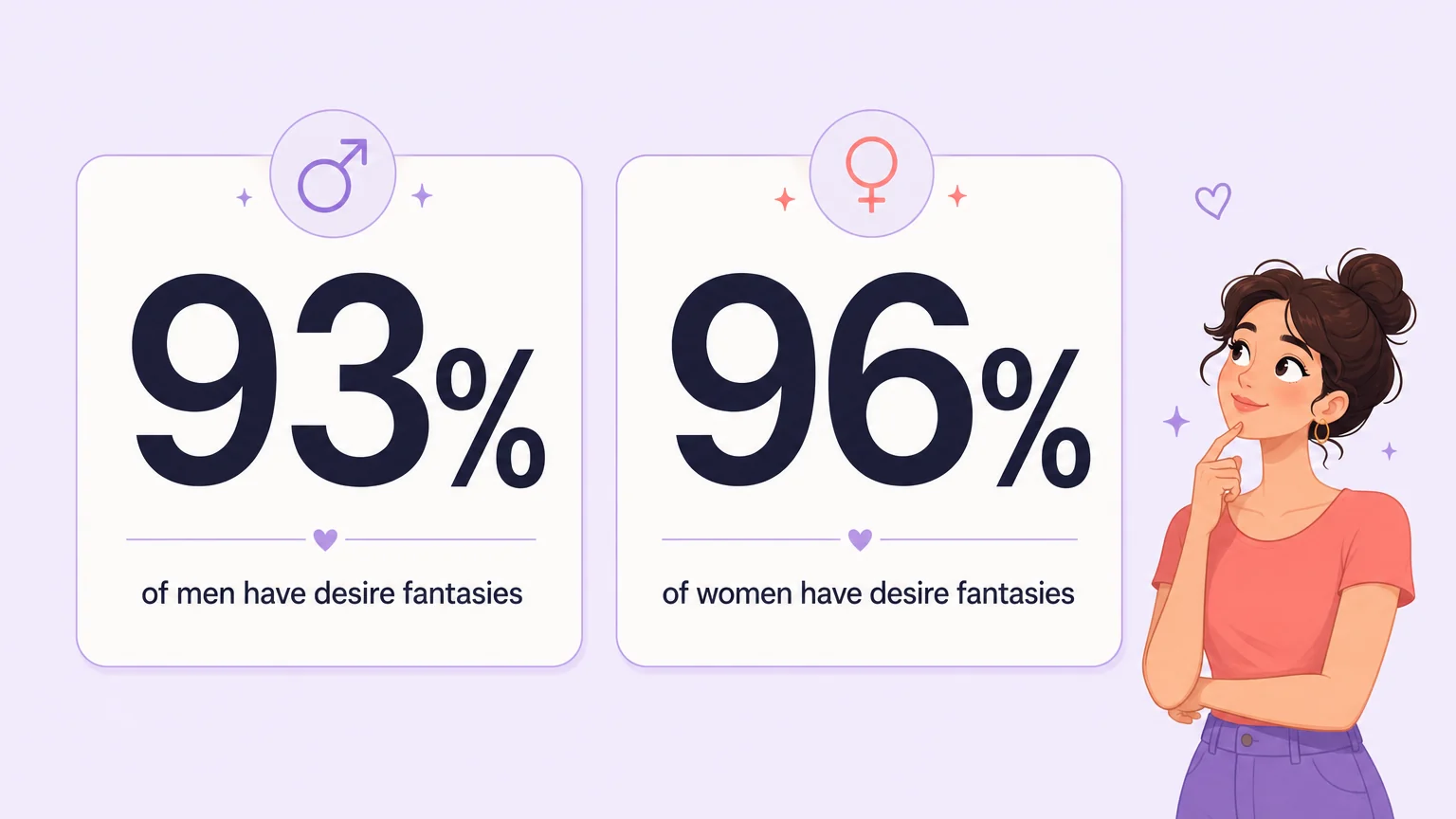
BDSM is the single most common sexual fantasy on record. In Justin Lehmiller’s research, 93% of men and 96% of women have fantasized about it at least once, which makes dominance and submission the least taboo taboo on this list. It is also the container most other kinks live inside.
Dominance and submission, or D/s, is not pain and it is not force. It is a consensual exchange of control. One partner directs, the other surrenders, all within boundaries the two of you agreed on. People call it a dynamic rather than a one-time act, because it can live inside a bedroom scene or shape the whole relationship.
For many people the turn-on is the trust itself: being trusted with control, or trusting someone enough to give it away. Submission during a scene means choosing within negotiated boundaries, not losing your voice.
The playbook is short. Agree on what the dynamic looks like day to day versus in the bedroom. Set a safeword before anything happens, and remember a safeword is information, not failure. Some subs slip into subspace, an altered state that needs both intense stimulus and genuine safety, and can never be guaranteed.
Best for couples who want to experiment with who leads. Skip if either of you would rather keep power fully equal in the bedroom.
2. Cuckolding: From Jealousy to Compersion
Fifty-eight percent of men and 36% of women have fantasized about cuckolding, which makes it one of the most common kink fantasies in the population and one of the most misunderstood. It is not one scary thing. It is a spectrum.
Hotwifing is a partner exploring sex with others with the other partner’s full, enthusiastic blessing. Cuckolding often centers on watching, and when humiliation is part of it, it is usually a small piece rather than the main event. The emotional skill at its heart is compersion, the joy of a partner’s pleasure with someone else. Think of it as the polar opposite of jealousy, and something you can practice, starting with celebrating small wins.
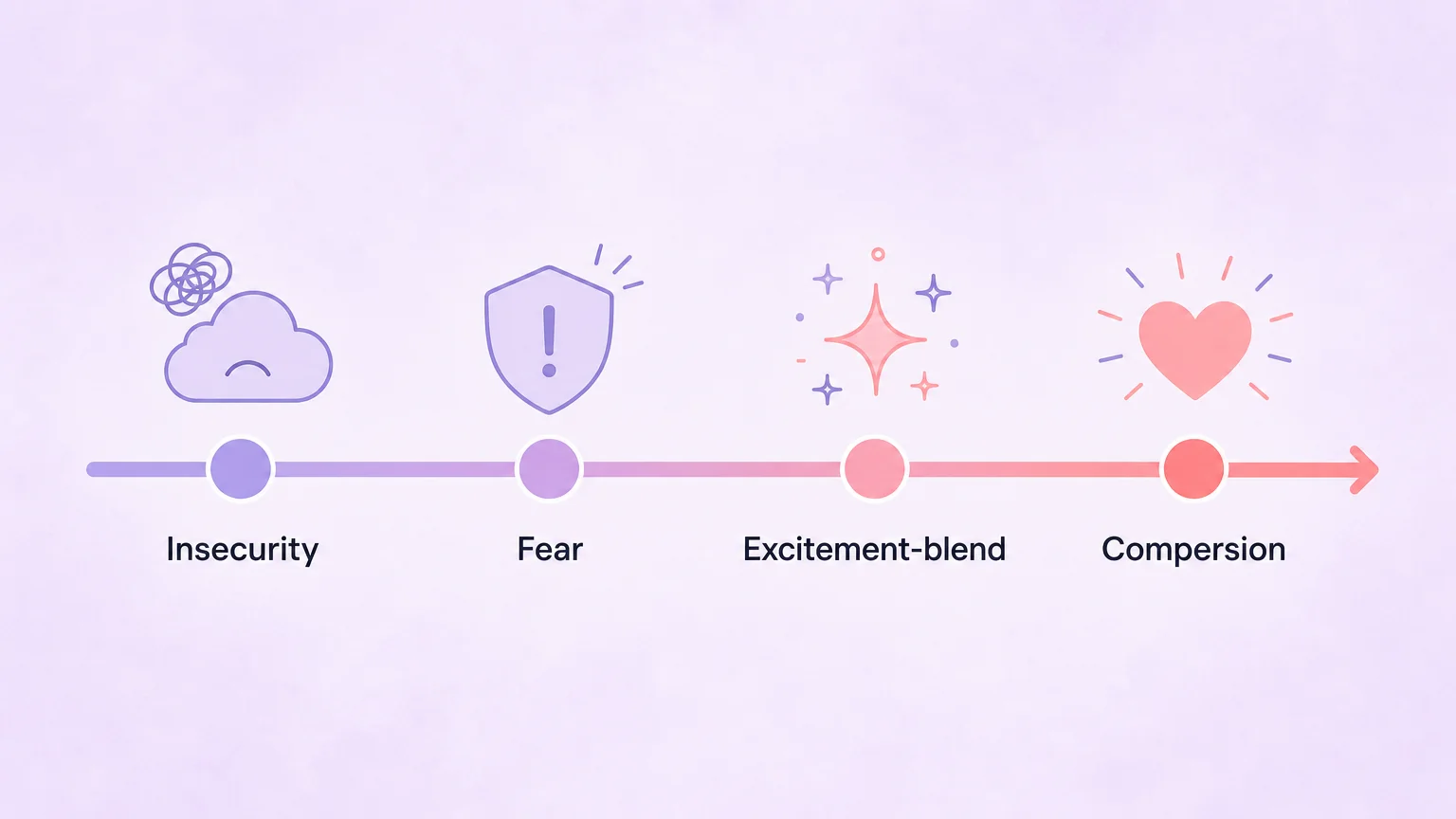
Cuckolding coach Adreena Winters names three kinds of jealousy: insecurity-based, fear-based, and excitement-blended. For many cuckolds that last one, the sharp, electric mix of jealousy and arousal, is the actual kink. Jealousy here is information, not a red flag.
Start fantasy first. Keep it as dirty talk or a shared story before any real-world move, and negotiate the flavor up front. One person’s rocket fuel is another’s relationship injury. And let reclaim sex, the renewed intimacy after an outside encounter, be part of the plan.
3. Bondage and Rope Play
If being tied up sounds terrifying, why is it one of the most popular kinks in the world? Because the feeling people chase is not being trapped. It is being completely held.
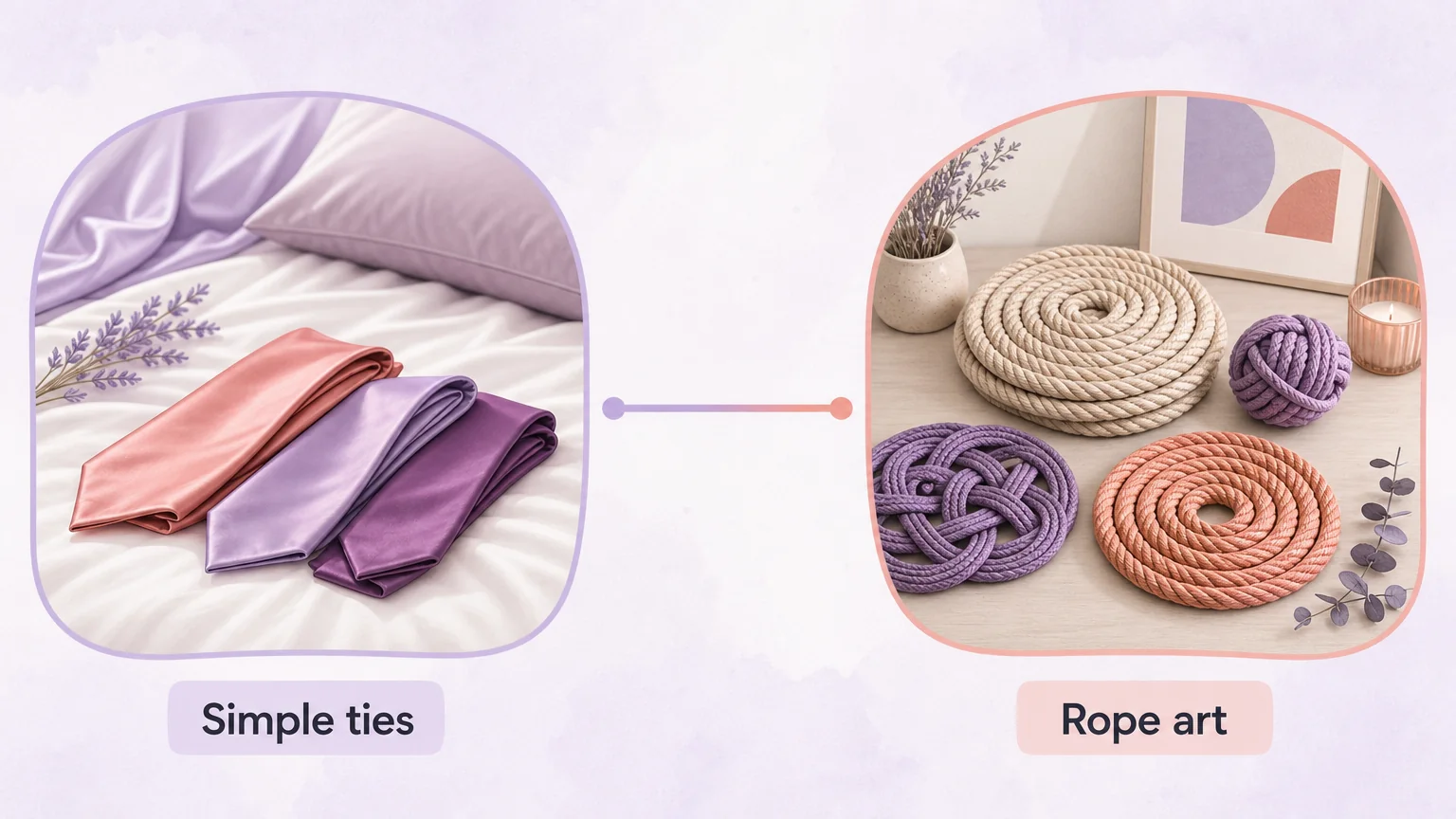
Bondage is consensually giving up physical freedom, which is why it pairs so naturally with power exchange. Two ends of the spectrum let you choose your level. Simple restraints, silk ties, cuffs, under-the-bed straps, give you the feeling in minutes. Rope, or shibari, is a practiced art form for couples who want the craft and the ritual, plus the deep-pressure calm some describe as soothing a dysregulated nervous system.
The safety rules are non-negotiable. Keep safety shears within reach. Never leave a bound partner unattended.
Check circulation and sensation in hands and feet. Agree on a non-verbal signal, tapping three times or dropping a key, for when speech is restricted. Start with short sessions.
Simple cuffs give you the feeling tonight. Learning rope gives you the ritual and the art, and it asks for practice and a first-aid kit before play.
4. Impact Play: From Spanking to Flogging
If a spank feels good, does that make it wrong? It does not. Impact play is far more common than the shame suggests, and it runs from a hand or paddle on the bottom to full flogging. What people get from it is an endorphin and adrenaline spike that can feel like a runner’s high, plus the intimacy of being trusted with someone’s body.
Keep it safe with a simple ladder. Warm up with lighter impact first, vary where you strike, and avoid the spine, tailbone, and joints. Skip play entirely when either of you is on blood-thinning medication.
The main risks are bruising and nerve irritation rather than serious injury, but the bottom can crash after the rush fades. That is normal, and it is why aftercare matters more here than anywhere.
The frame matters too. Impact play is negotiated, safeworded, and stops the instant the safeword sounds. That is what separates it from violence.
Best for couples who like intensity and a clear top-and-bottom structure. Skip if you want sensation light and verbal, or if either of you is on blood thinners.
5. Group Play, Threesomes, and Swinging

Multi-partner sex is the number one most common sexual fantasy in Justin Lehmiller’s research. Threesomes are also the classic example of a fantasy most people enjoy in their heads without wanting it in real life, which is perfectly fine and perfectly normal.
For the couples who do want it, group play is less about how many people and more about the energy of being watched and watching together. That is why it is the kink that names the lifestyle for so many ethical non-monogamy and swinging couples. A few ground rules make it work.
Treat a third as an invited guest with equal say, never pressure anyone, and set boundaries around time, sex, communication, privacy, and conflict before the night begins. Plan aftercare for everyone, and do not show the third the door once it is over.
The warning: a secure primary bond can be reinforced by adding people, but a cracked one will widen. This is an expansion of a strong relationship, never a repair for a struggling one.
On 3Fun, couples and singles connect around exactly this kind of shared interest, and part of the fun can be planning it as a team. Start with the fantasy conversation and a yes/no/maybe list before you ever open the app.
6. Exhibitionism and Voyeurism: Watching and Being Watched
Voyeurism is one of the most common fantasies of all: 73% of men and 48% of women have fantasized about watching, and exhibitionism runs at 47% of men and 36% of women. This kink is fundamentally about consensual attention, the thrill of being seen by a partner or an audience, or the charge of witnessing someone else’s pleasure.
The line that keeps it healthy is consent. Watching and being watched is play only when everyone involved is in on it. Non-consensual voyeurism has no place on this map.
This is the kink that shows up naturally at kink events, lifestyle clubs, and parties where people gather to be seen. You can start smaller at home: film each other, show off for a partner, leave a door ajar. For couples it builds a we-are-in-this-together energy. You are each other’s audience and co-stars.
Being watched is an adrenaline performance. Doing the watching is an exercise in attention. Most couples discover they love one side more, which is a great thing to find out together.
7. Roleplay and Taboo Scenarios
Taboo and forbidden sex is one of the seven most common sexual fantasies identified in Justin Lehmiller’s research, and the turn-on is often that you are not supposed to want it. Roleplay is the safe container for exactly that.
Picture a scene where you and your partner play boss and employee, professor and student, or strangers who should not, with the costumes, names, and setting agreed on first. The one rule that keeps it magic rather than messy: the scene is a scene. It has a clear start, a safeword, and a way to step out of character, so the fantasy cannot leak into real life.
Some couples build a fantasy map, a living document listing core fantasies, soft and hard boundaries, triggers, and small test steps, so you can explore a taboo scenario in controlled doses before committing to it. Many couples keep a fantasy as dirty talk only, which is a fully valid way to play.
Build the fantasy map together, then audition one scenario as twenty minutes of dialogue before you buy the costume.
8. Praise Kink: When Words Are the Foreplay

Not all kink looks like pain or control. For some people the hottest thing in the world is simply being told they are good.
The praise kink is the positive flip side of power exchange. The top’s voice becomes the reward, and the sub’s nervous system responds to affirmation the way other scenes chase an endorphin rush. Ms. Elle X puts it plainly: praise regulates the nervous system, shapes attachment, and trains desire. Affirmation should be the baseline of any D/s dynamic.
You can try this tonight with zero gear. One partner gives directions or a task, and the other earns specific, genuine praise. Good. That’s it. You’re doing so well. Watch what it does to the mood.
This is one of the safest taboos on the list and the ideal first kink to confess: pure affirmation with no risk attached. Tonight, praise your partner like a favorite student, specific and warm, and watch what it does to you both.
9. Femdom and Forced Feminization: Gender Roleplay
The word that scares people is forced. Forced feminization sounds non-consensual, but in practice it is scripted gender roleplay. A partner consensually takes the lead while the other plays the reluctant or assigned role, and the force is theater, not coercion.
Femdom, or female-led dynamics, is the broad umbrella. She leads, sets the rules, and the sub surrenders within agreed limits. Many couples love exactly the contrast, because it often reverses real-world power dynamics. The negotiation rule is absolute: anything a sub is made to do still comes from the list they approved, and the safeword is final.
Because this play touches identity, the sub or feminized partner can feel extra raw afterward. A strong aftercare routine matters here more than almost anywhere. Reassert who they are out of scene, use their name, reset pronouns and clothing. It is the kindest and most important step.
Best for couples curious about who leads and about gender as play. Skip if either of you is still sorting out real-life gender identity and does not want that line blurred right now.
10. Chastity and Orgasm Control
Denial is not about taking pleasure away. It is about stretching it out, and the buildup becomes the experience.
Two speeds exist. Edging brings a partner close to orgasm and stops, over and over. Denial agrees on a window where orgasm is off the table entirely, with the tease and the tension as the point. Many couples add keyholding, where one partner holds the key, physical or metaphorical, to the other’s release. Chastity is less about the device and more about the exchange of control and the anticipation it builds.
This is a favorite prelude. Deny one partner for days to build intensity for a specific night or scene, shading into the group-play world. It runs on trust, so it needs an agreed window, a safeword, and aftercare, because the release can be intense.
Edging is a session skill you can learn tonight. Full denial is a commitment measured in days, so start with the first before you graduate to the second.
11. Pet Play: The Safest Taboo Kink
Pet play is one of the lowest-risk kinks on the whole list, which makes it a perfect first taboo.
One partner takes on an animal persona, puppy, kitten, pony, and the other becomes their owner or handler. Play ranges from head scratches and treat bowls to collars, leashes, and pet spaces. It is a light, fun way to hand over control without the intensity of pain or power scenes, and for many it is about feeling cared for rather than sexual.
The gear spectrum is as simple or elaborate as you want, a collar and a name, or full ears, tail, and a pet bed. Framing matters. This is adult play between consenting partners, not a medical or age-based thing, and the persona turns off the moment the collar comes off.
Pick your personas, buy a collar or just use a nickname, and play for twenty minutes to see if the headspace lands.
12. Food, Sensation, and Temperature Play
Not every kink needs rope or a whip. Some of the best play happens in the kitchen.
Sensation play turns sensation into the star: food like whipped cream, chocolate sauce, or fruit, temperature like ice cubes or warm oil, textures like feathers and silk across skin. It is pure novelty and anticipation, and because it is so low-risk, it is the ideal way for a new couple to practice talking about what they like. Faster. Slower. Softer. Colder.
For people whose nervous system calms under deep, focused input, texture and temperature play is one of the most accessible ways into kink. Two safety notes: keep food and oils away from sensitive areas and watch for allergies, and leave warm wax to its own section, this is the gentle end of the scale.
Tonight, raid the fridge. One warm, one cold, one smooth. Take turns being the sensation menu for each other.
13. Foot Fetish: The Most Common Fetish
A foot fetish is one of the most common and most under-told kinks there is, so you are not the first to feel shy about it. Fetish objects like shoes, leather, and pantyhose are fantasized about by 43% of men and 36% of women, and feet are the most common body-part fetish.
The range gives everyone a flavor. Foot worship is massage and reverent attention. Foot service is washing and caring for a partner’s feet as devotion. In a dominant dynamic, feet become an instrument of command. The kink is often less about the foot than about submission, service, or taboo.
Start low-stakes: ask for a foot massage with no expectations and see what the conversation uncovers. It is one of the easiest kinks to test in disguise.
Foot worship is tenderness, foot service is devotion, dominant feet are command. Most people find a favorite within one of the three.
14. Wax Play and Edge Play
This is where risk climbs, and the discipline that keeps it working is called edge play: play that pushes to the edge of a limit, governed by education, informed consent, and emergency planning, not recklessness.
Wax play is the most approachable entry. Low-temperature or soy candles dripped on skin give a sharp heat-then-numb surprise. First rules: choose candles with a low melting point, never decorative ones with additives, and mind the distance, higher drops are cooler, closer is hotter.
Why manage the risk? Wax, knife edges drawn without breaking skin, electro, fire, all of it produces a fear-and-relief spike that some couples find uniquely bonding, because it demands total focus on each other. The edge-play rules: education first, explicit informed consent, discuss the worst-case scenario before play, have an emergency plan, start slow, and plan thorough aftercare.
Best for experienced couples who communicate well under intensity. Skip if either of you is impulsive, easily panicked, or new to kink, and come back to the earlier items first.
15. Breath Play and Choking: The Highest-Risk Kink
Breath play and choking are the highest-risk kink activities there are. Unlike every other item on this list, they can never be made 100% safe. Even brief oxygen restriction can cause brain damage, cardiac arrhythmia, or death. No amount of technique removes that risk.
Say that without shame and without judgment. Lots of people are curious about it. But curiosity deserves accurate risk information before anything else. The stakes are real: solo autoerotic asphyxiation is estimated to cause 250 to 1,000 deaths a year in the United States alone.
If you want the energy without the oxygen risk, educators consistently recommend alternatives that deliver the same intensity far more safely. Consensual roleplay of being overpowered. A firm grip around the throat that applies pressure but never restricts breathing. Impact play. All of them scratch the same itch.
If the urge persists, the minimum bar is rigorous education, Risk-Aware Consensual Kink framing, an explicit worst-case plan, and never, ever playing alone, never under the influence, and never with anyone who has not studied the risks.
Choose the safer alternative that keeps the intensity and drops the lethal risk, and treat never restrict breathing as the one line you do not cross.
16. Watersports and Body-Fluid Play
Watersports, play involving urine, is one of the most common unspoken kinks, and the reason it feels so taboo is the same reason it works: it is one of the most socially forbidden things two consenting adults can do together, and crossing that line is intensely intimate and a little transgressive.
The range runs from gentle to intense: shower play and golden showers, designated towels and protocols. For many couples the turn-on is not the act itself but the total acceptance it represents. You know this about me and you still want me.
The practical reality is simpler than the taboo suggests. This is a boundary-heavy kink that demands explicit negotiation, waterproof surfaces, plenty of hydration, and clear hygiene agreements. It is easy to do wrong, easy to do safely if you plan it. Enter it with full information, and remember that yes, but only on my terms is a perfectly good negotiation outcome.
Best for couples who already trust each other deeply and want to cross a line together. Skip if either of you feels any pressure. It is entirely optional and entirely safe to skip.
How to Bring Up a Taboo Kink With Your Partner
The hardest part of any taboo kink is not the kink. It is the sentence that starts so, there’s something I’ve been wanting to tell you.
Timing first: bring it up outside the bedroom, on a walk, over cooking. Never during sex and never during a fight, so it cannot be read as a demand or a distraction.
Then use curiosity, not confession. Lead with I statements: I’ve been thinking about something I’d like to try, or I read about this and it turned me on, want to look at it together. Talk about the why, trust, vulnerability, letting go, not just the mechanics.
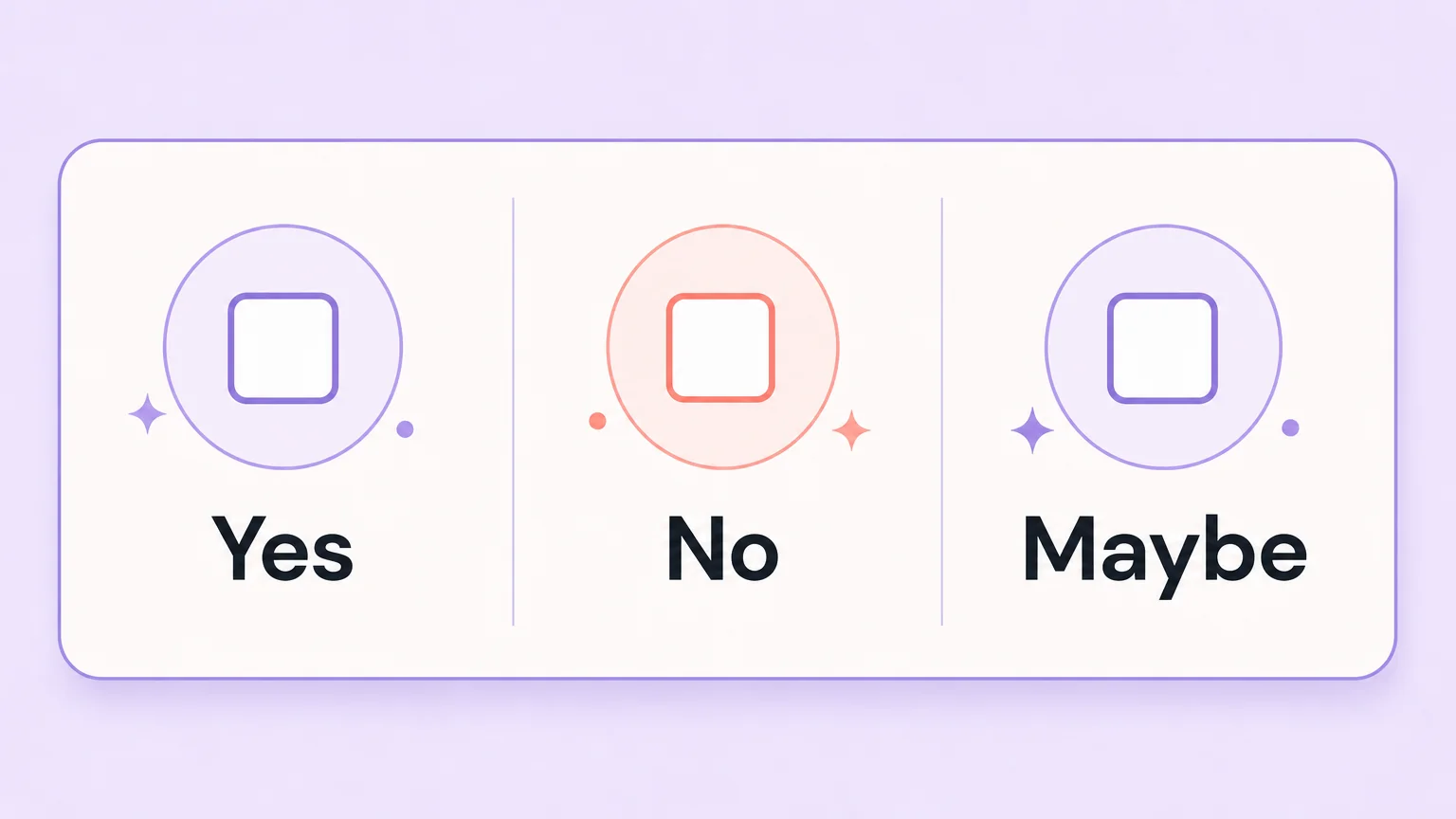
Prep for the two real outcomes. A yes starts with negotiation. A maybe starts with curiosity. And a no is a complete, valid answer that does not mean rejection. The conversation itself is an act of intimacy. It says I trust you enough to let you see this part of me.
The structural tool that removes the sting entirely is a yes/no/maybe list. Fill it out independently, then compare only where you overlap, so neither of you has to confess first. Treat the no column as non-negotiable, and never talk someone out of a no. A shared kink list is a living document, so revisit it as tastes change.
This week, fill out a yes/no/maybe list separately over coffee, then compare only the yes column.
Aftercare and Sub Drop: The Landing After the Scene
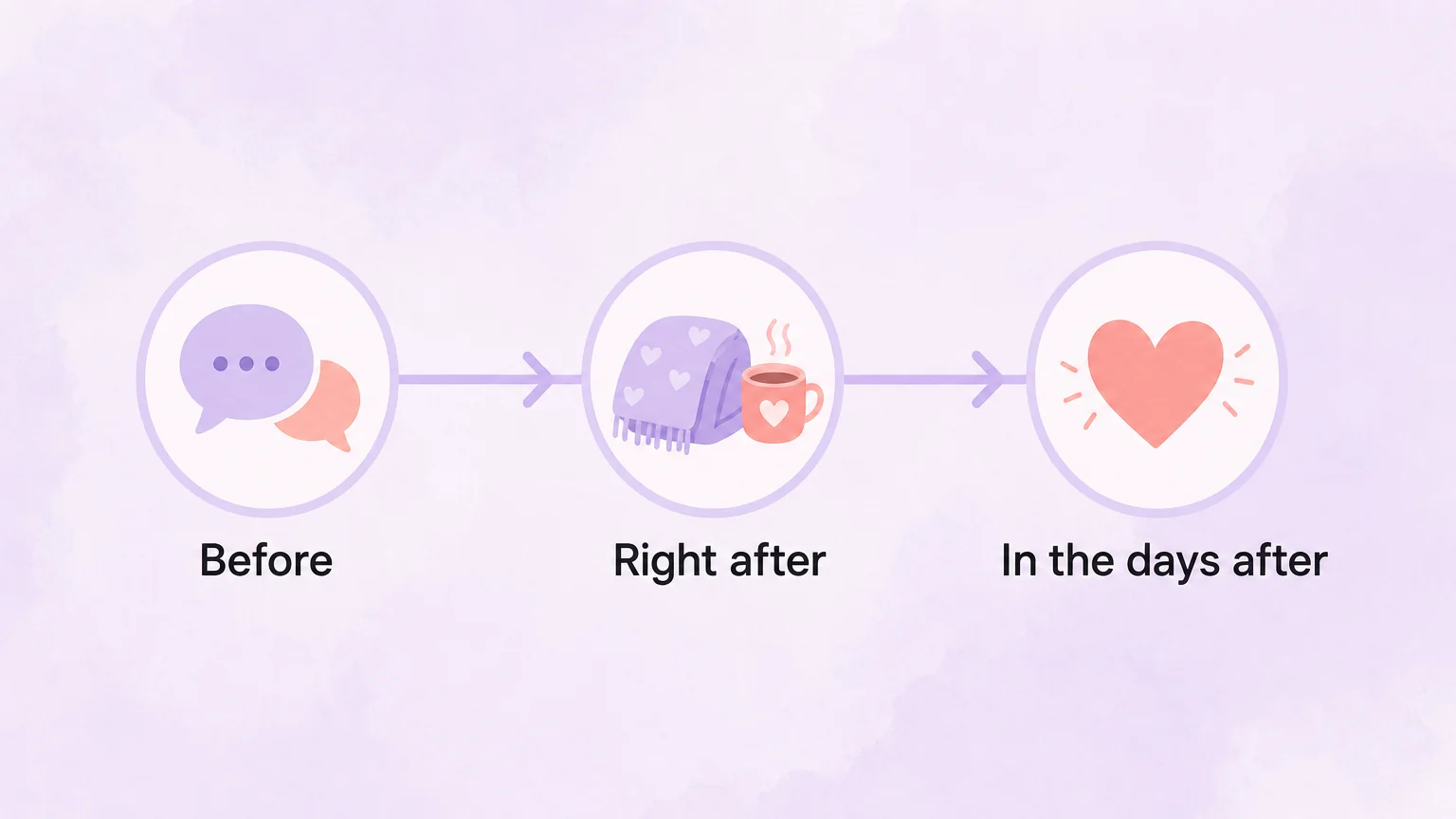
Here is the scene everyone recognizes but nobody talks about. You have an incredible, consensual night, and then on Monday afternoon you feel inexplicably hollow, weepy, or flat, and you are sure something is wrong with you. It is not.
That is sub drop, or top drop, a normal neurochemical comedown after the endorphins and adrenaline fade. It can hit hours or even days after a scene, and it is not a verdict on how good the scene was. It is a nervous system response asking for care, rest, and reassurance. Aftercare is the practice of providing exactly that, and it is not a bonus. It is a real need.
Run it in three phases. Before: build an aftercare menu together during your yes/no/maybe conversation, touch or space first, words of affirmation, food, a favorite blanket, and prep a kit with water and snacks. Right after: shift into a nurturing state, tend marks, remove restraints slowly, offer water and a snack, and say the game is over out loud. In the days after: check in for up to a week, because delayed drop is real.
And the part people rarely expect: dominants drop too, with guilt and second-guessing even after a beautiful scene. Aftercare flows both ways.
Build your aftercare menu before your next scene and schedule a check-in for the day after. The scene is the peak. Aftercare is the relationship.
FAQ: Your Taboo Kink Questions, Answered
Is it normal to have kinks and fetishes?
Yes. The evidence is blunt: 93% of men and 96% of women have fantasized about BDSM at least once, and nearly half of American adults report some kink, fetish, or fantasy. A consensual, legal kink practiced with enthusiastic consent is not a flaw in your foundation. It is an extension of your adventure. Desire does not require an apology.
What’s the difference between a kink and a fetish?
It comes down to necessity. A kink enhances sex but is not required for it, which makes it a preference. A fetish is essentially required for arousal or gratification, which makes it a need. The handy rule of thumb: all fetishes are kinks, but not all kinks are fetishes. The line is blurry, experts even disagree on where it sits, and it can shift for the same person over time. None of that matters much in practice. What matters is what you and your partner enjoy.
Is it wrong to fantasize about something I’d never actually do?
No. Fantasy is playing with a turn-on in your head, and desire is wanting it in real life, and the two are different things. Most people fantasize about things they have no intention of enacting, with threesomes the classic example, and that is a normal, safe part of the experience. Sex therapist Vanessa Marin puts it plainly: it is very common to fantasize about things you do not want in real life, and that is part of the fun. A fantasy does not obligate you to act on it.
Is it safe to try choking or breath play?
It can never be made 100% safe. Even brief oxygen restriction can cause brain damage, cardiac arrhythmia, or death, and solo breath play is estimated to cause 250 to 1,000 deaths a year in the United States. That is why harm-reduction educators recommend roleplay, safe restraint, and impact play instead, all of which deliver much of the same intensity with none of the lethal risk. If the urge persists, educate yourself thoroughly and never play alone.
Can exploring a taboo kink fix a relationship?
No. It can be a catalyst for conversations that might otherwise stay buried, but it is not a repair tool. Adding a third or introducing a new kink to a struggling bond usually widens the cracks rather than sealing them, which is why you explore as a team, never as a patch. Kink is a celebration of a secure relationship, not a cure for a shaky one. Start with the conversation, and let the adventure grow from a strong foundation.
Wherever your yes column lands, explore it on terms that feel safe for both of you. When you are ready to meet couples and singles who already speak this language without flinching, you will find them on 3Fun. Head to 3Fun app and see who is out there. No judgment, just clarity, and people who get it.