
If you have ever wondered whether your desires are normal, the data has your back. Ninety-seven percent of people have sexual fantasies, and most of them are kinky. That quiet thought you have never said out loud? Someone else has almost certainly had it too. Probably a lot of someone else.
A quick line before we start: a kink is a practice that turns up arousal. It is seasoning, not the meal. A fetish is an object or body part required for arousal. This article covers kinks, the activities people do, not the objects they fixate on.
We drew from three data sources. The first is Dr. Justin Lehmiller’s 2018 Kinsey Institute survey of 4,175 Americans, still the gold standard on fantasy frequency. The second is the Deviance Kink Report 2025, drawn from more than 30,000 members of one of the world’s largest kink communities. The third is Bumble’s 2024 survey of 4,059 daters across 46 countries, capturing what people say they actually do.
Ten of the most common kinks, ranked by how many people actually have them. Each with a script you and your partner can use tonight. No judgment, no gatekeeping. Just data, context, and a path forward.
1. Dirty Talk: The 91% Kink Nobody Teaches You How to Do
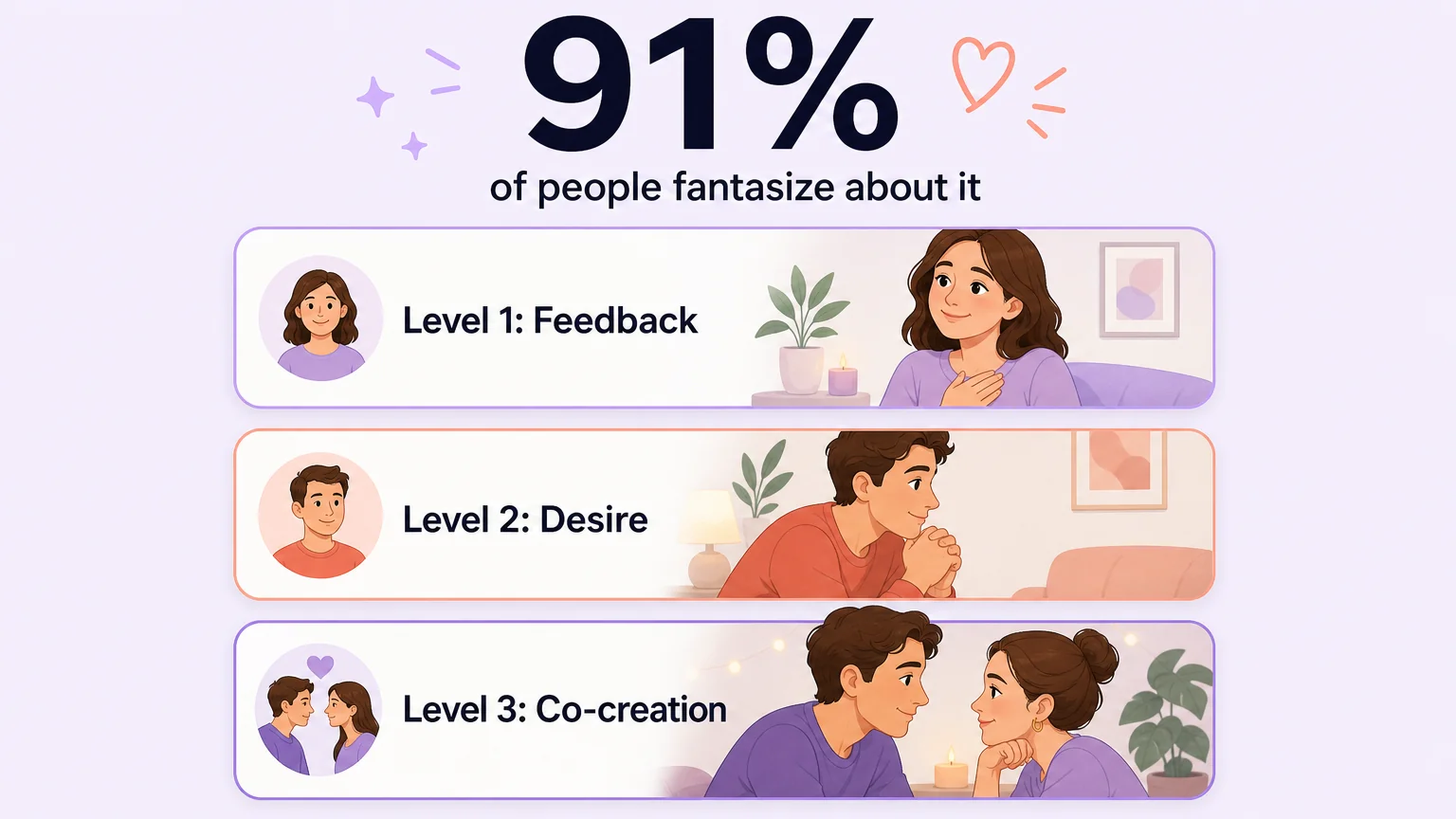
Ninety-one percent of people fantasize about dirty talk, making it one of the most universal kinks in the Lehmiller data. And yet almost nobody gets taught how to do it. Most of us learned from media that made it sound like a scripted performance, which is exactly what kills the magic.
Dirty talk is not a porn script. It is real-time feedback. Tell your partner what feels good and you activate something remarkable in the brain. The words hit the auditory cortex, but the arousal lands in the hypothalamus and amygdala, triggering a simultaneous release of dopamine and oxytocin. Dr. Elizabeth Perri, a clinical sexologist, calls it “sexual auralism,” the way spoken words become physical sensation during sex.
But here is where it gets interesting: you do not need to be poetic. Perri and other clinicians describe a three-level progression. Level 1 is feedback: “That feels amazing.” Level 2 is desire statements: “I’ve been thinking about this all day.” Level 3 is fantasy co-creation, where you and your partner build a scene together with words. Most people never leave Level 1, and Level 1 is completely fine.
The biggest barrier is self-consciousness. Most people freeze because they think they need a script. They do not. Start with a single sentence about what is happening right now. Even “right there” counts. You are giving your partner a live map of your pleasure. Words you actually feel will always land harder than words you rehearsed.
The verdict: dirty talk costs nothing but the courage to open your mouth.
Your move tonight: “I love the sounds you make. Tell me what feels best right now.”
2. BDSM and Power Exchange: What 93% of People Fantasize About
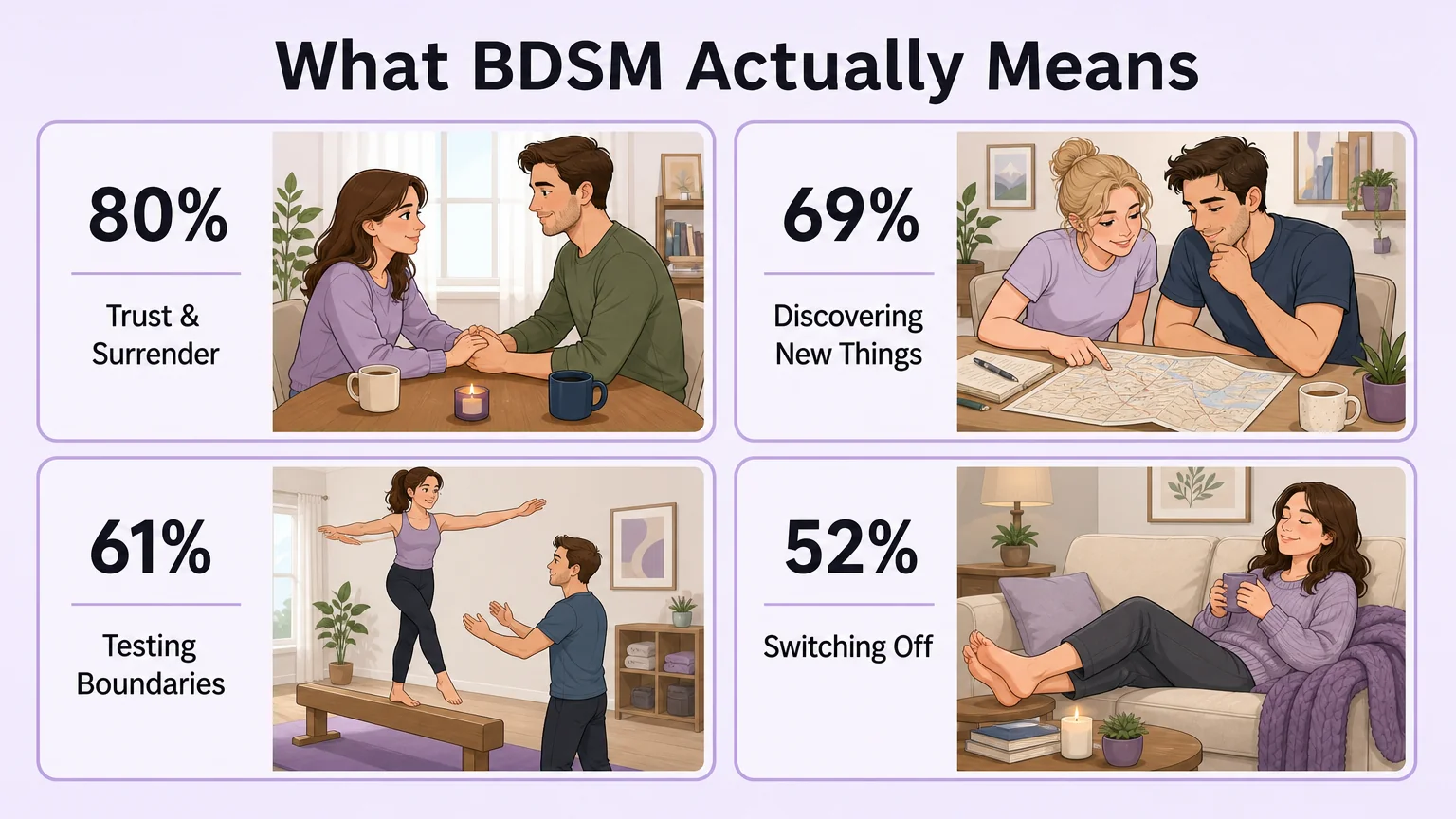
Ninety-three percent of men and 96 percent of women in the Lehmiller survey have fantasized about some form of BDSM. And 46.8 percent of adults have actually tried it. This is not a subculture. This is the culture.
The Deviance Kink Report 2025 offers a reframe worth sitting with. When they asked more than 30,000 practitioners what kink means to them, 80 percent said “trust and surrender.” Not pain, not domination for its own sake. Trust and surrender. The emotional core of BDSM is a relational laboratory where communication, consent, and safety are built intentionally, not assumed.
Power exchange is the most accessible entry point: one person leads, one person follows. The submissive role is the most common starting position, and it often surprises people why. Giving up control in a structured, safe container can feel like the opposite of pressure. It can feel like freedom.
A 2025 study presented at the American Psychological Association by TASHRA, the leading research group on kink and health, found that 48 percent of kink practitioners report emotional healing through kink. The study documented reduced anxiety, increased relationship satisfaction, and measurable improvements in emotional regulation.
Best for: couples who want deeper trust and clearer communication in their sex life. Skip if: your relationship has unresolved control or respect issues. Power exchange amplifies whatever dynamic already exists. If you are curious, start small. A single scene. A clear safeword. A conversation beforehand about what you both want to feel.
Your move tonight: “Tonight, I want you to tell me exactly what to do. No decisions from me. Is that something you would be into?”
3. Bondage: The World’s Most Practiced Kink, According to 30,000 People
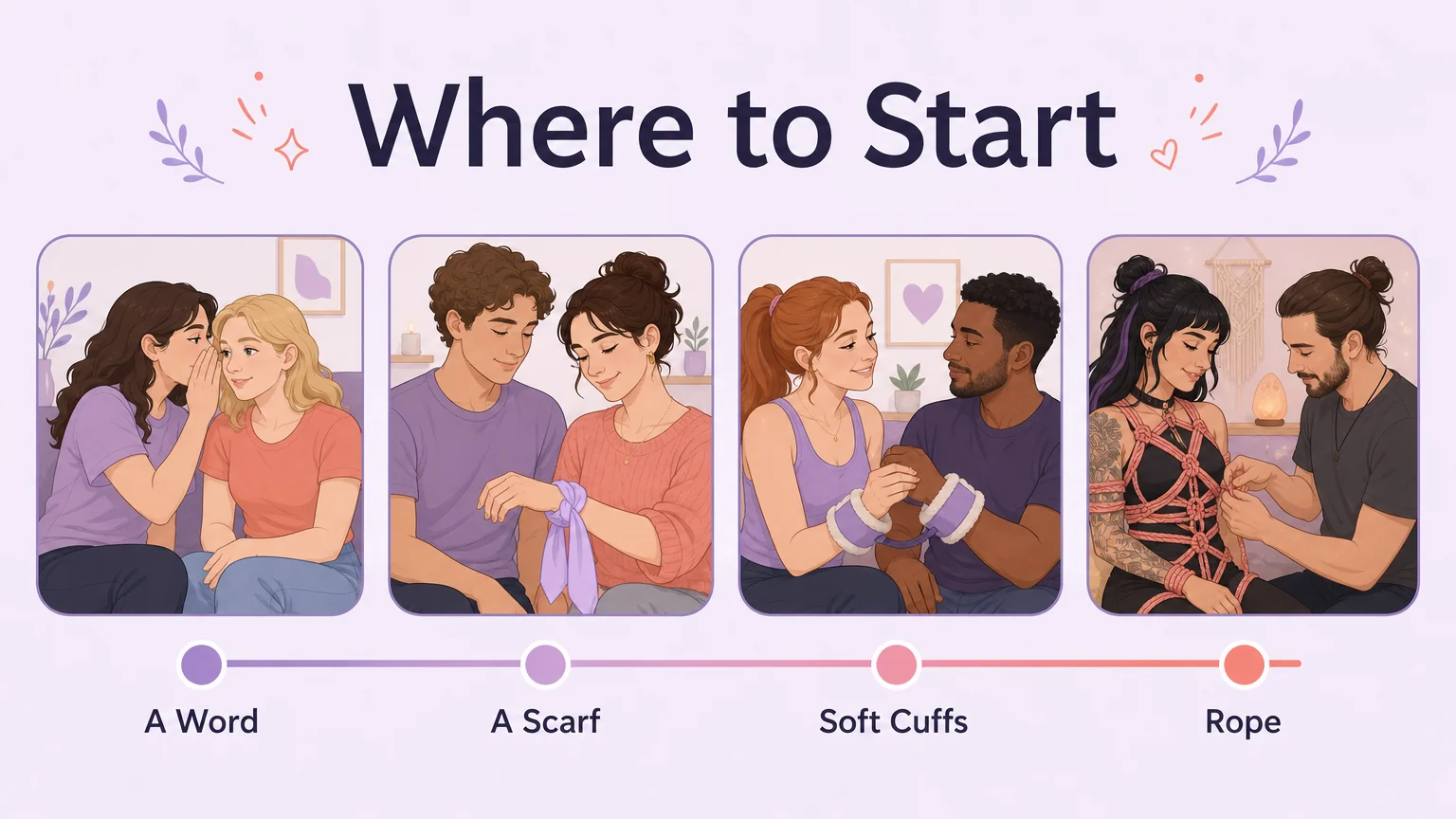
Bondage is the number one most practiced kink in the Deviance Kink Report 2025, drawn from more than 30,000 active community members. Seventy-five percent of people have fantasized about it, per Lehmiller’s data. That makes it the most common fantasy that people actually act on.
The draw is not what most people assume. Physical restraint matters, but the deeper appeal is emotional vulnerability. Being bound is not about being trapped. It is about being held so completely that you can let go of the impulse to perform, to manage, to control. Restraint removes the option to multitask your own pleasure. You are present because you have no choice but to be.
Beginners do not need leather cuffs or suspension rigs. A silk scarf, one wrist, loosely tied to a headboard, is enough. The point is not immobilization. The point is the agreement: I trust you to hold me here, and I trust you to let me go the moment I ask.
Safety is non-negotiable. Never leave a bound partner alone, even for a minute. Agree on a safeword beforehand. Standard practice is the traffic light system: green for “keep going,” yellow for “slow down or check in,” red for “stop everything immediately.” Scissors within reach, always. Aftercare is part of the practice: untie gently, check wrists, offer water, hold.
The verdict: people do not want to be trapped. They want to be held in a way that makes letting go feel safe.
Your move tonight: “I want to try something. Just this scarf, just one wrist. You are in complete control. Tell me to stop and it stops.”
4. Group Sex and Threesomes: The Number One Fantasy (and Why Most People Stop at the Fantasy)
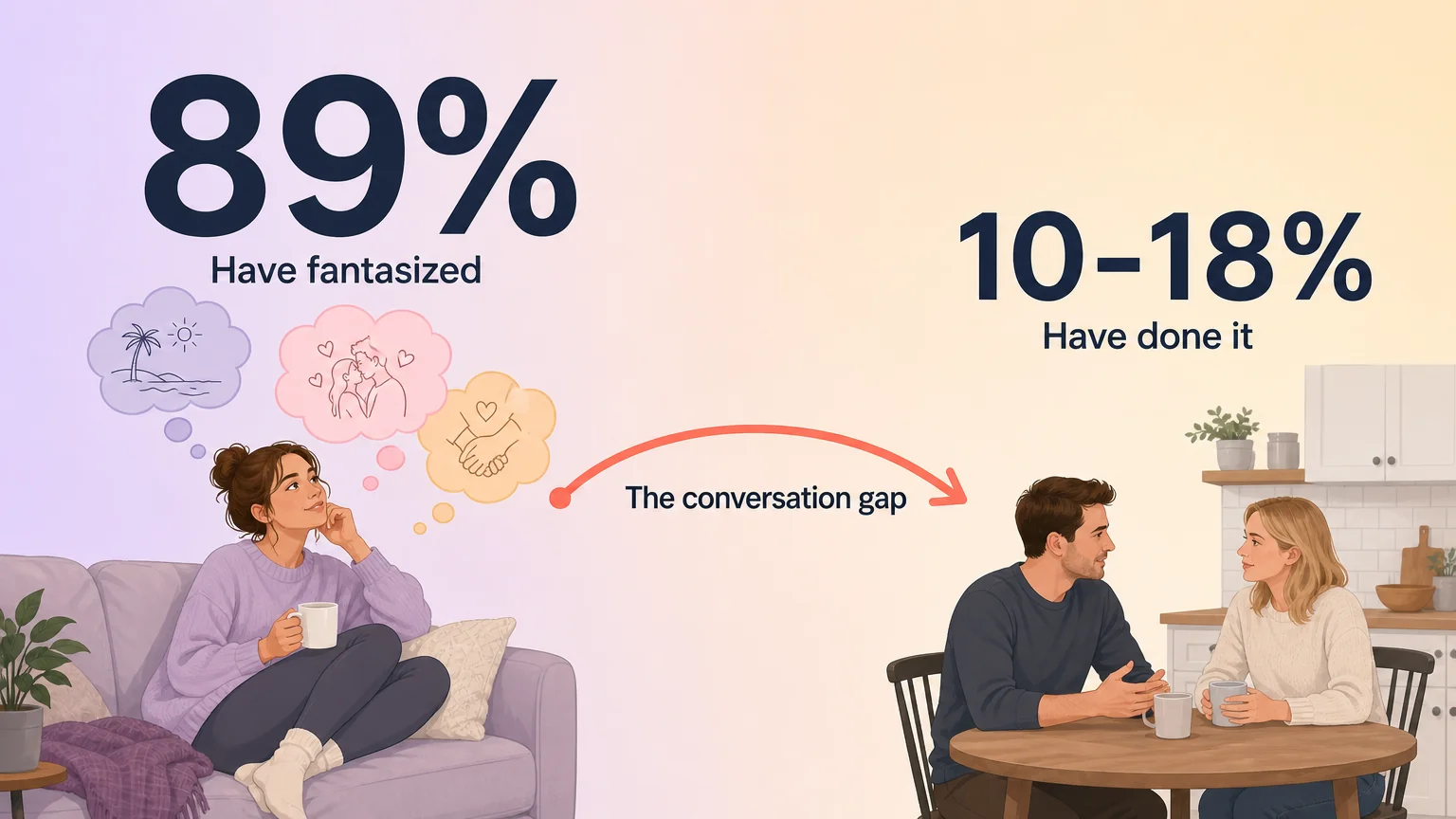
Group sex is the most common sexual fantasy in the Lehmiller data. Eighty-nine percent of respondents have imagined it. Threesomes specifically sit at the top of the list. And yet only 10 to 18 percent of people have ever had one. More than 80 percent of those who did say it was a one-time experience.
That gap between fantasy and action is the point. It is not failure. It is discernment.
The barriers are real: partner disinterest, logistical complexity, and fear of jealousy sit at the top. These are not weak reasons. A threesome is not a relationship test. It is a high-stakes experience that requires a foundation solid enough to hold the weight of unexpected feelings.
Dr. Gloria Brame, a board-certified sexologist who has worked with kink and non-monogamous couples for decades, recommends a three-step conversation before any group play. Step one: “I want to expand our intimacy by exploring creative sex together.” Step two: “I would love for us to explore fantasies. Not necessarily act on them, just share them.” Step three: “My goal is to feel more connected with you, not to pressure you into anything.” Listen more than you talk. If they hesitate, accept the answer.
Fantasy does not obligate action. Both paths are equally valid. The win is not doing it. The win is being able to talk about anything.
Your move tonight: “I read something interesting. Almost everyone fantasizes about threesomes. I am not saying I want one. I am just curious: have you ever thought about it?”
And if that conversation lands on yes, closing the fantasy-to-reality gap is exactly what 3Fun is for: couples and singles exploring threesomes and group play, with a shared three-way chat so nobody is coordinating two separate conversations, and photo verification so the person you meet is real.
5. Roleplay: Why 4 Out of 5 People Have Played Someone Else in Bed
Eighty-two percent of men and 83 percent of women have fantasized about roleplay, making it one of the most evenly distributed kinks across gender lines. The most common scenarios are teacher and student, boss and employee, and strangers meeting at a bar.
The psychology is not about deception. It is about permission. When you play someone else, you access parts of yourself that your everyday identity keeps tucked away. The reserved person gets to be bold. The decision-maker gets to be taken care of.
The easiest entry point is the strangers-at-a-bar scenario. You already did it the night you met. The only difference is intention. Meet at a real bar. Sit separately. One of you approaches the other as if for the first time. What happens next is improvisation, not performance.
Awkwardness and laughing are part of it. If you both crack up halfway through, you have still succeeded. The goal is not a flawless scene. The goal is remembering what it felt like to want each other before you knew how the story turned out.
Best for: couples who want novelty without complexity. Skip if: you are working through trust issues. Roleplay requires knowing who you are to each other when the scene ends.
Your move tonight: “What if we went to the wine bar this Friday, sat separately, and you picked me up like we had never met?”
6. Praise Kink: The 71% Arousal Trigger That Took Over TikTok
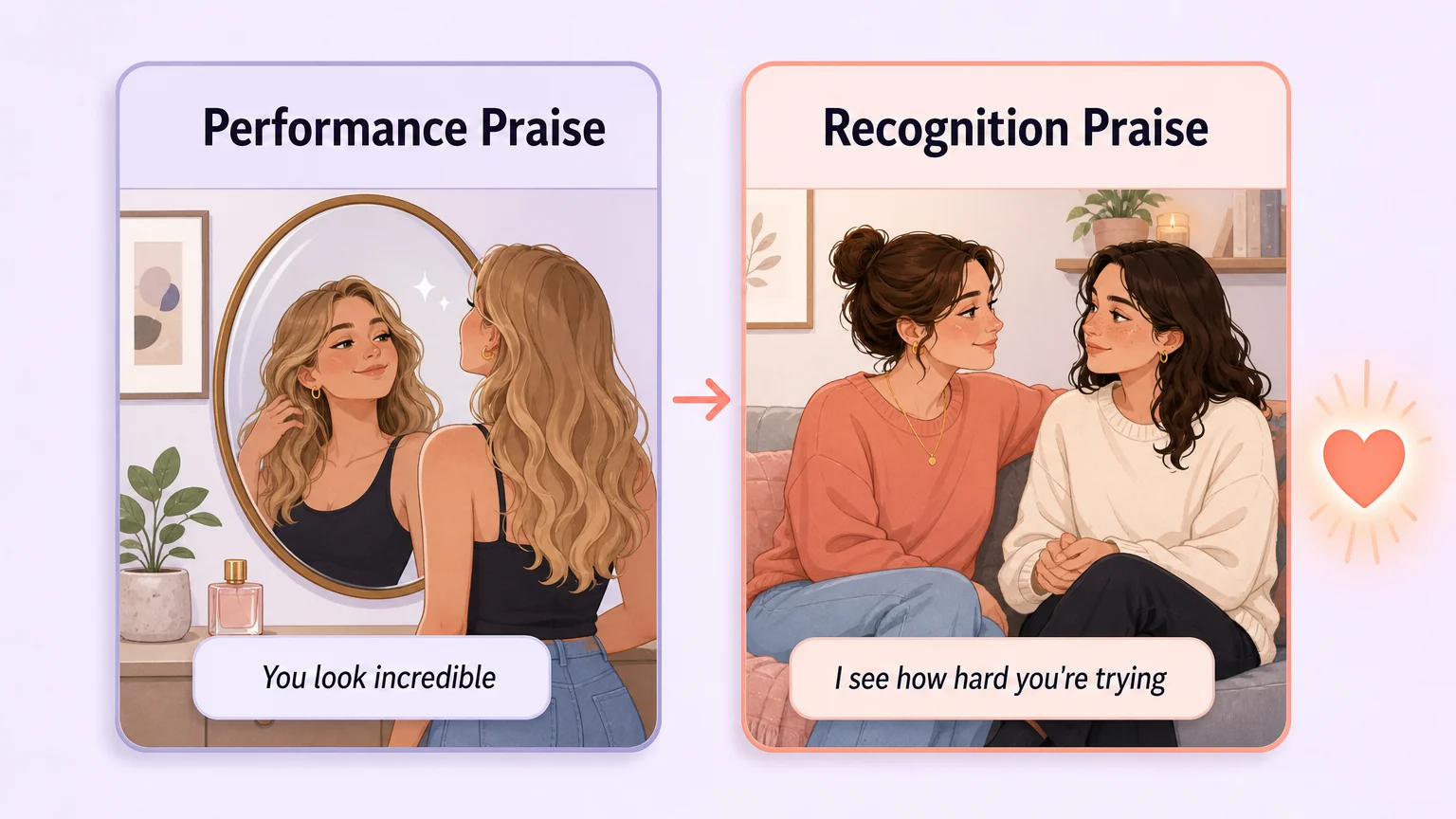
A 2023 Triple J national survey in Australia found that 71 percent of respondents reported arousal from receiving praise. The hashtag #praisekink has accumulated between 60 and 83 million views on TikTok. This is not a fringe preference. It is a mainstream desire that found its vocabulary.
What happens in the brain during praise is a dopamine and serotonin loop. When your partner tells you they see your effort, that you are good, the brain’s reward system lights up. For many, this hits harder than any physical sensation because it bypasses the body and goes straight to the core need: to be seen, valued, and chosen.
Dr. Sarah Ashton, a psychologist specializing in sexual health, puts it simply: enjoyment is “I like what you are doing.” Praise is “I like who you are when you are doing it.” One is feedback. The other is affirmation that lands at identity level.
Brandon The Dom, a kink educator, offers a useful framework. Performance praise is “You look incredible” or “You are so good at that.” Recognition praise goes deeper: “I see how hard you are trying, and I am proud of you.” The second one is what most people with a praise kink are actually chasing.
If praise becomes the only way you feel worthy during sex, it can tip into dependency. The goal is praise that amplifies what is already there, not a crutch you cannot function without.
The verdict: a praise kink is not weakness. It is evidence that your arousal system is connected to your attachment system, which is exactly how healthy sexuality is supposed to work.
Your move tonight: “I see how hard you are trying, and I am so proud of you. Now let me take care of you tonight.”
7. Orgasm Control and Edging: The Surprising Number Two Kink Worldwide
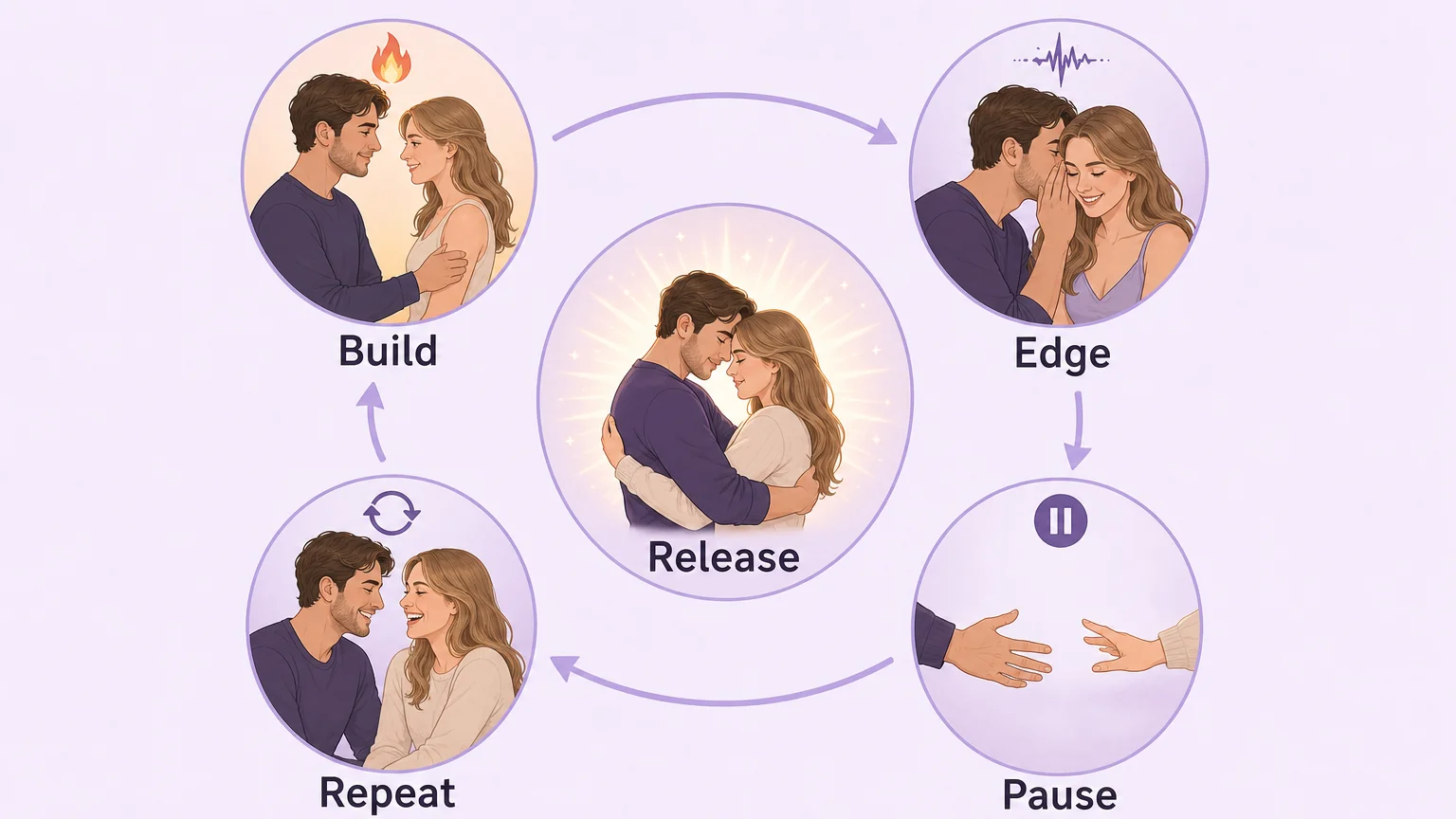
Orgasm control ranks second in the Deviance Kink Report 2025, behind only bondage and ahead of spanking. For something that costs nothing, requires no equipment, and carries no physical risk, that ranking might seem surprising. But the mechanism makes sense once you understand what is happening in the brain.
Edging, the practice of approaching orgasm and then backing off repeatedly, builds dopamine through prolonged anticipation. Dopamine, the neurotransmitter behind wanting and craving, accumulates the longer arousal is sustained without release. When orgasm finally arrives, the neurochemical payoff is amplified, not diminished.
The real benefit is not the finale. It is the communication edging demands. You cannot edge without talking. The receiving partner has to signal when they are close. The giving partner has to read those signals and adjust. This back-and-forth trains the exact skill that most couples say they want more of: attunement.
There is also a power dynamic here that inverts the standard script. Conventional sex often treats orgasm as the goal, the finish line, the point. Orgasm control says the opposite: the point is the journey, and the destination will get here when it gets here. For partners who feel pressure to perform or finish quickly, this reframe can be liberating.
The verdict: orgasm control turns sex from a sprint into a marathon, not by adding complexity but by subtracting urgency.
Your move tonight: “Tonight, every time you get close, tell me. I will slow down. Three times before I let you finish. Trust me.”
8. Voyeurism and Exhibitionism: The Thrill of Watching and Being Watched
The gap between fantasy and action for voyeurism and exhibitionism is one of the widest in the data. A 2016 study by Joyal and Carpentier found that 46.3 percent of people express interest in watching others, but only 7.7 percent have done it. Exhibitionism follows a similar pattern: roughly 35 percent interest, 3.1 percent action.
Why the enormous gap? Ethics. These are two of the few kinks where consent extends beyond the people in the room. Anyone who might see you, even accidentally, becomes part of the equation without having agreed. That ethical line is non-negotiable: consent of everyone who might be exposed to the scene is required.
But there are ways to explore the sensation at home without crossing that line. Leave the curtains open at night where nobody can see in. Watch each other in a mirror during mutual masturbation. Record yourselves privately and watch it together later. All activate the watching and being-watched circuits without involving an audience.
Novelty circuits fire harder when observation is added. Being seen desiring your partner while watching them desire you creates a feedback loop that amplifies both experiences.
Best for: couples who want to add adrenaline without adding physical intensity. Skip if: either of you has body-image concerns that make being watched feel exposing rather than exciting.
Your move tonight: “What if we left the curtains open tonight? Just us. Nobody is watching. But the idea. We can close them anytime.”
9. Outdoor and Public Play: The Top Real-World Kink, According to 4,000 Daters
Bumble’s 2024 survey of 4,059 daters across 46 countries found outdoor sex near the top of actual reported behaviors, not just fantasies. People are doing this one. The appeal sits at the intersection of novelty, mild adrenaline, and sensory richness: fresh air, sun on skin, the texture of ground beneath you, sounds you do not control.
Outdoor play works because it breaks the sensory script. Indoor sex happens in the same room, on the same surface, every time. Move it outside and every sense wakes up: temperature, breeze, the visual field, the awareness that the world is happening nearby. Your brain registers all of this as novelty, and novelty is the raw material of arousal.
The ethical line is non-negotiable. Private property with a reasonable expectation of privacy is the only appropriate setting: a secluded section of your land, a rental with acreage, a campsite deep enough that you would hear someone approaching. Involving non-consenting strangers in your scene, even accidentally, is never acceptable.
Gen Z respondents reported tamer real-world behavior than older cohorts. A generation raised with constant visibility may be more careful about where and how they are seen.
The verdict: outdoor play might be the single easiest way to make familiar sex feel brand new. Same partner, same chemistry, entirely different sensory world.
Your move tonight: “The weather is perfect this weekend. What if we found a private hiking spot and did not exactly keep our hands to ourselves?”
10. Sensory Play: The Beginner’s Gateway Kink That 37% of Couples Have Tried
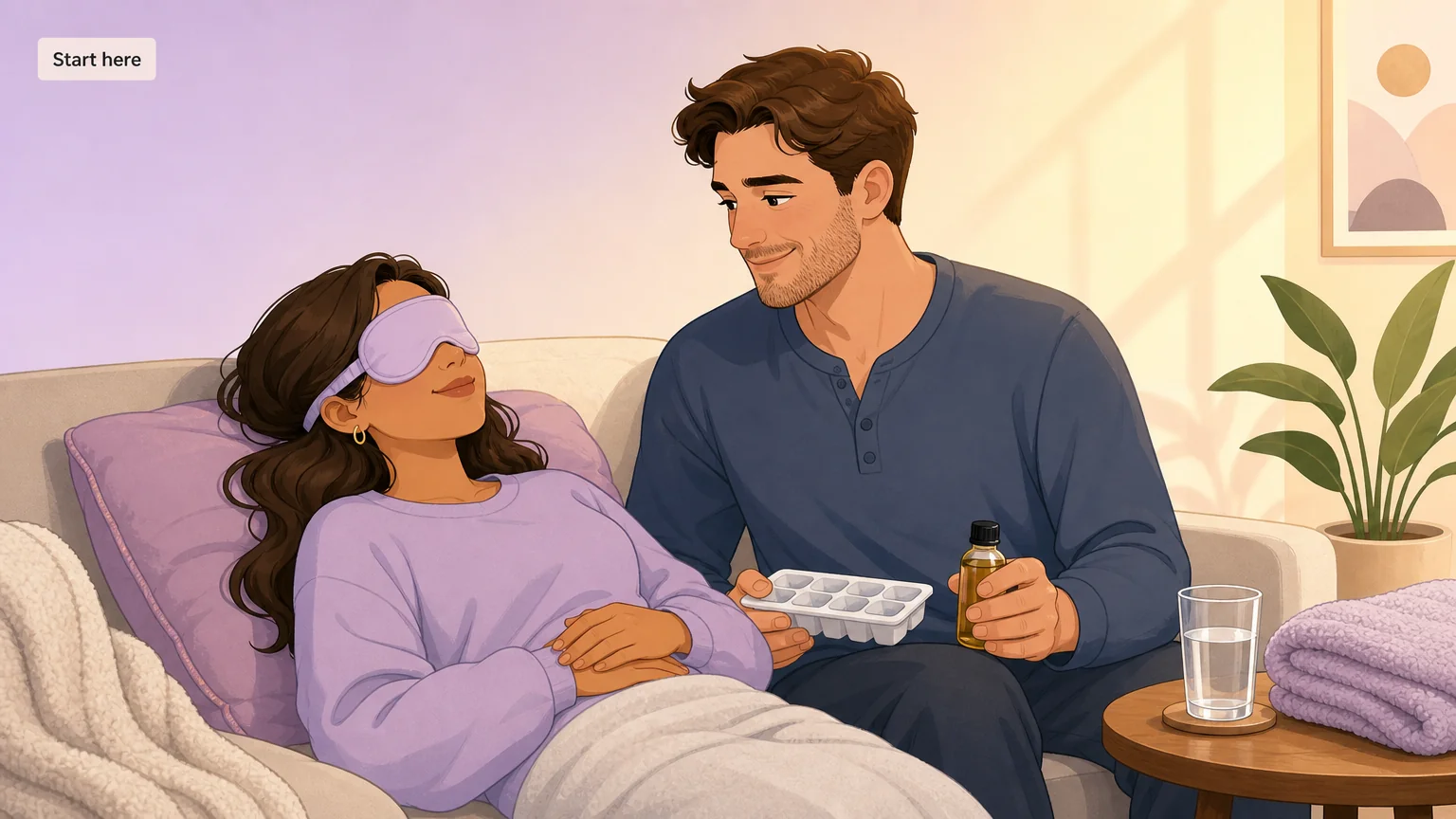
Thirty-seven percent of couples have tried temperature play, making sensory play one of the most accessible entry points into kink. The equipment is already in your kitchen.
Cold travels through A-delta fibers, the body’s fast track. Heat travels through C-fibers, a slower pathway. Both converge in the thalamus before projecting to the nucleus accumbens, a core reward center. The result: a signal your brain reads as novel and salient, exactly the combination that triggers arousal.
The blindfold is the secret weapon. Removing visual prediction forces the brain to put more processing power into touch. A hand, an ice cube, and a splash of warm oil become three entirely different experiences when you cannot see which one is coming next.
Sensory play is scalable. Start with an ice cube and a blindfold. Eventually add a Wartenberg wheel or glass toys. But you do not need any of that. Low risk plus built-in communication makes this the kink for people who do not think they are kinky. Afterward: remove the blindfold gently, offer water, hold.
The verdict: if you are curious about kink but unsure where to start, start here. The barrier to entry is a freezer and a blindfold. The payoff is watching your partner’s body respond in ways neither of you could have predicted.
Your move tonight: “Just a blindfold and an ice cube. You lie back, I do all the work. If anything feels weird, we stop. I think you will love what your body does when it cannot see what is coming.”
FAQ: Your Most Common Kink Questions, Answered
Are my kinks normal?
The data is unambiguous. Ninety-seven percent of people have sexual fantasies, and most are kinky by any definition. BDSM fantasies: 93 percent of men, 96 percent of women. Dirty talk: 91 percent. Bondage shows up in three out of four people’s fantasy lives. Sixty-nine percent of men and 41 percent of women report interest in at least one form of non-traditional sexual expression. Your kinks are statistically average. The question is not whether you are normal. It is whether you and your partner want to explore them together.
What is the difference between a kink and a fetish?
A kink is seasoning. A fetish is the oven. A kink is a practice that turns up arousal: bondage, roleplay, dirty talk. You enjoy it but do not need it. A fetish is a specific object or body part required for arousal. Without it, sexual response is difficult or impossible. The distinction shapes how you communicate. “I think it would be hot to try X” lands differently than “I cannot get aroused without X.” Check this article to see the full image of differences between a kink and a fetish, if you like.
How do I bring up a kink with my partner?
Dr. Gloria Brame’s three-step framework is the standard. Step one: “I want to expand our intimacy by exploring creative sex together.” Step two: “I would love for us to explore fantasies. Not necessarily act on them, just share them.” Step three: “My goal is to feel more connected with you.” A Yes/No/Maybe checklist can structure this conversation. The goal is not to convince. It is to discover what you both already want and simply have not said out loud yet.
What is the safest kink to try first?
Sensory play and Level 1 dirty talk are the two lowest-risk entry points. Sensory play requires minimal equipment, carries essentially no physical risk with basic care, and builds communication naturally. Dirty talk at Level 1 is describing what feels good in real time. Neither requires power dynamics, restraint, or third parties. Both work within the sex you are already having. The point is to discover that the water is warmer than you thought.
What if we have different kinks?
Having different interests is the norm, not a problem. The Yes/No/Maybe list was designed for this. You each fill it out independently. The overlap is where you play. The non-overlap is not part of your shared menu, and that is fine. Marissa Nelson, a licensed sex therapist, offers a useful rule: treat differences as information, not rejection. Your partner’s “no” to a specific kink is data about their comfort zone, not a verdict on you. Focus on the territory where your maps align.
What is aftercare and do we need it?
Aftercare is the intentional check-in after a sexual experience involving intensity, vulnerability, or power dynamics. During intense play, the brain releases endorphins, dopamine, and adrenaline. When the scene ends, those levels can drop sharply, leaving one or both partners feeling emotionally raw or unexpectedly sad. This is neurochemical, not weakness. Dr. Gloria Brame describes aftercare as simple: hold them, hydrate them, debrief gently, stay present. A blanket, a glass of water, and ten minutes of quiet covers most of what anyone needs. If you are doing power exchange, bondage, or emotionally intense play, aftercare is not optional. It is the bookend that tells your nervous system the scene is over and the relationship is intact.