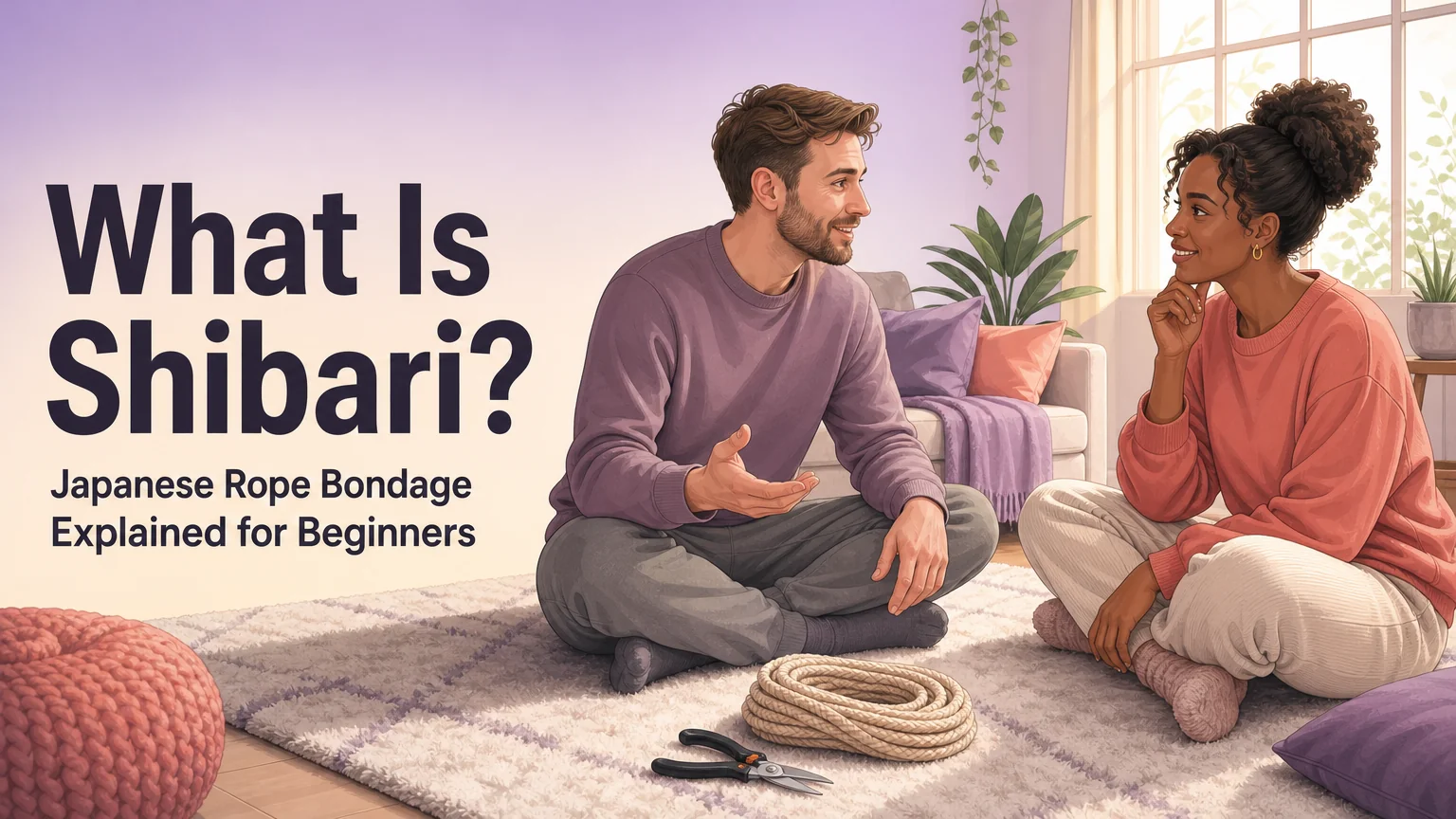
What is shibari? It is Japanese-style rope bondage, the practice of tying a person with rope for restraint, sensation, shape or closeness. A photograph of a body in mid-air under gallery lighting has traveled everywhere, and that image is where most people meet it first.
The ordinary version is smaller: two people on a living room floor, a bag of rope between them, and a conversation that came first. The word is the everyday Japanese noun for tying or binding. Much of it happens on the floor, much of it is not sexual, and none of it requires pain.
A beginner can start with a bag of cotton rope and a pair of safety shears, and neither costs much.
This piece settles the words, the history, why people do it, who it is for, safety, what to buy and where to begin. Two assumptions can go now: you do not need a partner, and you do not need to know what you want yet.
Curiosity is reason enough to keep reading.
Shibari vs. Kinbaku vs. Japanese Bondage: What’s the Difference?
Start with a definition you can repeat. Shibari is Japanese-style rope bondage: binding a person with rope, usually for restraint, sensation, aesthetics or intimacy. Neither sex nor pain is required.
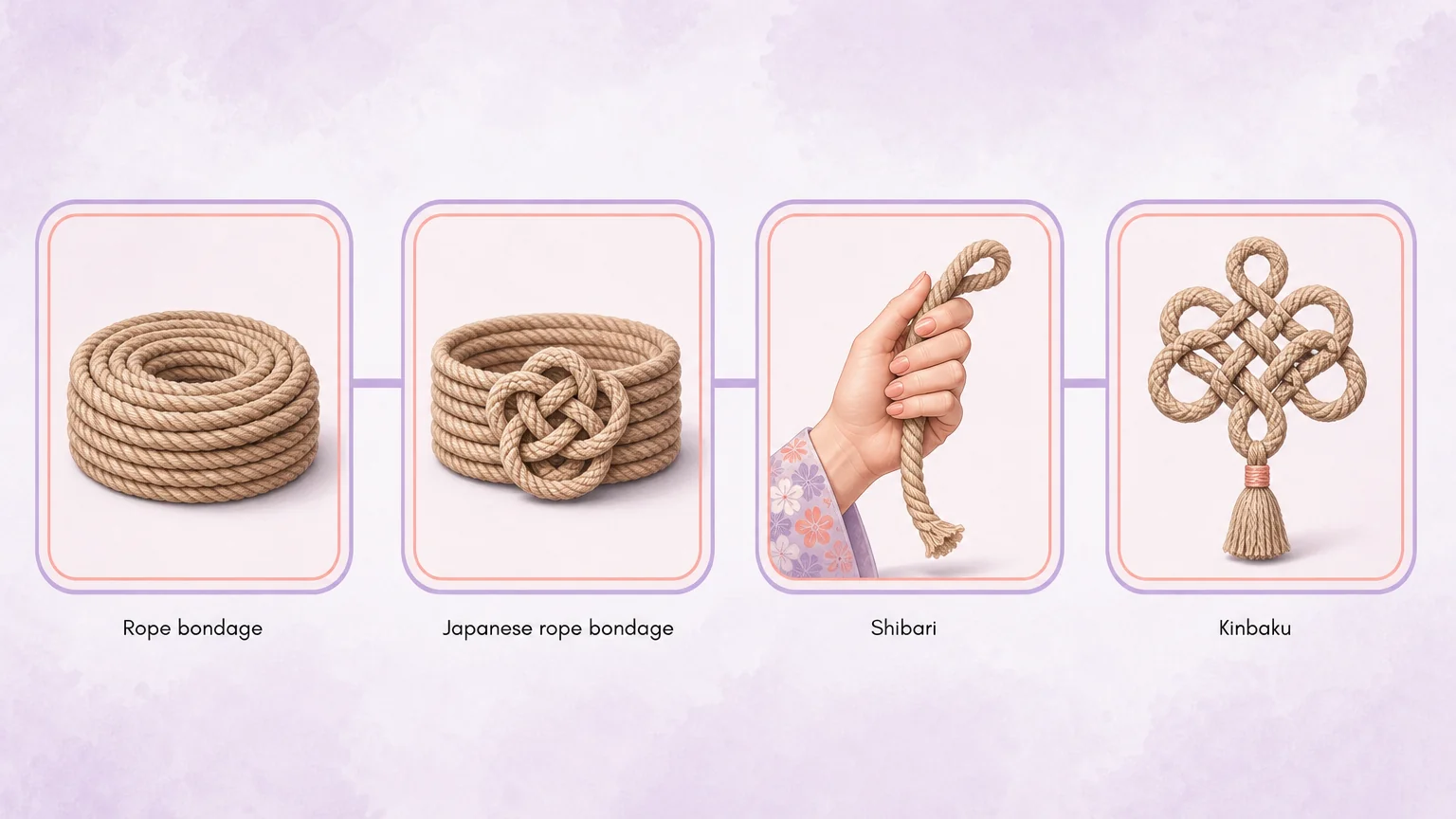
Every phrase sits on one small ladder. Rope bondage is the umbrella term for bondage that uses only rope. Japanese rope bondage is the Japanese-style branch, and shibari and kinbaku are the two Japanese words most often used for it.
Shibari is the ordinary noun for tying. Kinbaku means tight binding, and kinbaku-bi means the beauty of tight binding, which is why kinbaku carries the more erotic charge. A photographer advertising a kinbaku set and a studio advertising a shibari class usually describe the same ropework, one leaning on image, one on practice.
Shibari became the popular English term in the 1990s. The tidy Western split between aesthetic shibari and erotic kinbaku is not one Japanese practitioners historically made.
Midori, author of The Seductive Art of Japanese Bondage, treats the words as interchangeable and says kinbaku basically means really tight bondage. Useful, if you have met the vocabulary police at a rope jam.
The practical rule: shibari for the practice, kinbaku when you mean the erotic tradition, and no correcting people. You will also see shibari bondage and Japanese bondage, both umbrella names for the same ropework.
The vocabulary matters less than what two people do with it.
The History of Shibari and How to Practice It Respectfully
The story most people hear: noble samurai, a guarded art of restraint, a lineage passed from master to student. None of it survives contact with a date.
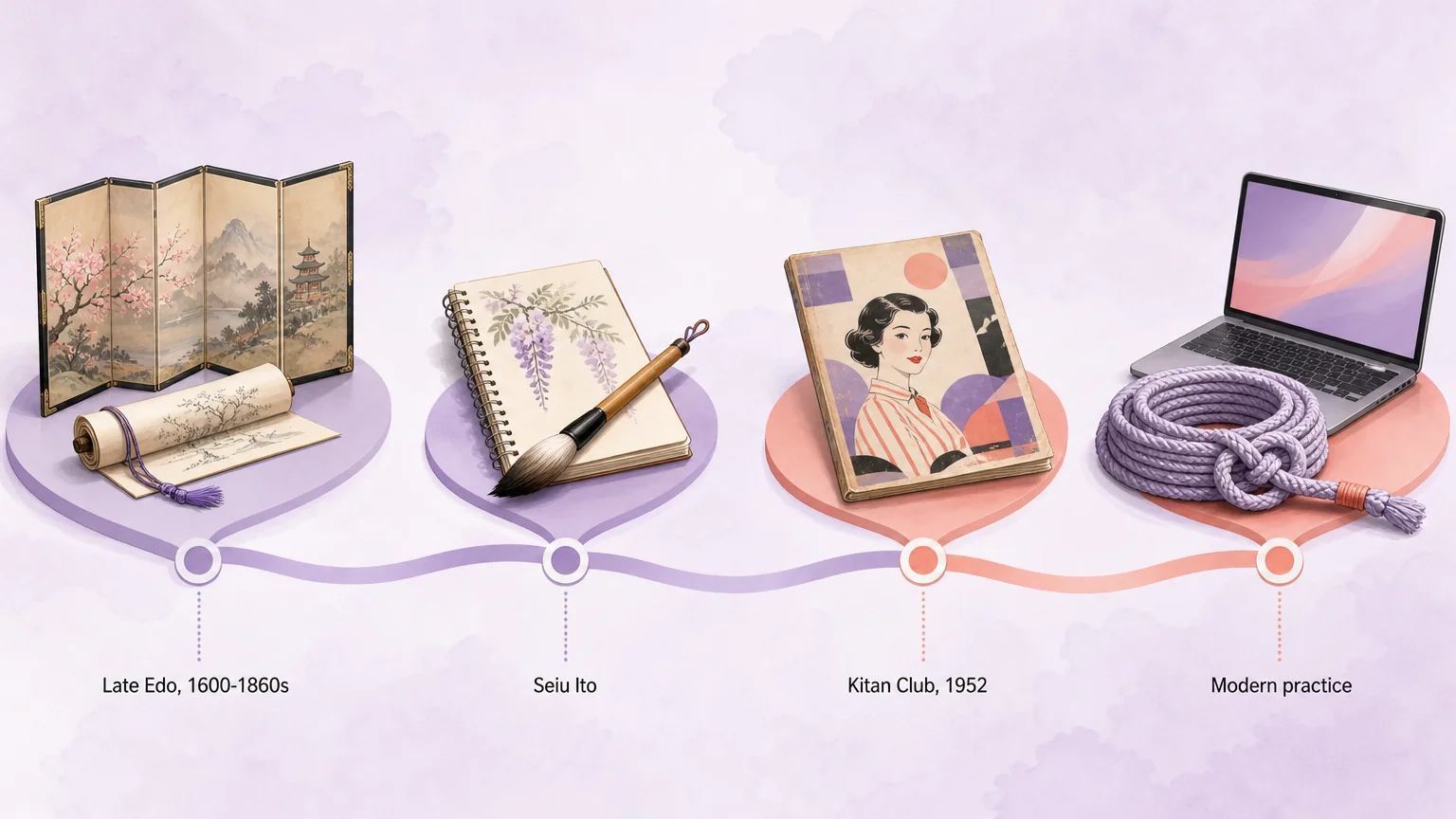
Bondage as a sexual activity came to notice in Japan during the late Edo period, roughly 1600 to the 1860s, in urban and commercial settings, not on a battlefield. Seiu Ito, later called the father of kinbaku, studied hojōjutsu, the art of binding a prisoner of war, and drew on kabuki and ukiyo-e. The word kinbaku entered circulation in the August 1952 issue of Kitan Club, where Minomura Kou and Tsujimura Takashi used it to separate erotic bondage from ordinary tying. Every beat is more interesting than the myth, and each has a date.
One detail finishes the argument: many hojōjutsu ties were designed to injure a prisoner and were never suitable for erotic use. The ebi tie appears in the 1742 Kujikata Osadamegki, listed among confession tortures. The historical practice and the modern one are not the same object.
Midori, author of The Seductive Art of Japanese Bondage, puts it directly: shibari is culturally specific erotic fantasy play rooted in Japan’s adult entertainment and image-making industry, and the samurai lineage is Orientalism and out-of-context appropriation, not history.
Respect takes three moves. Learn the dated history instead of the myth. Name the Japanese practitioners and lineages you learn from, the way you would credit a teacher in any craft. Do not dress the practice as mysticism, claim a spiritual inheritance, or treat Japan as a costume.
A class advertised as the ancient samurai art is a reason to ask better questions before you book.
Respect costs nothing, and the practice gets better rather than smaller.
Why People Try Shibari (and Why It Isn’t Always Sexual)
Picture a 20-minute floor tie on a Tuesday night, fully clothed, ending with tea and a check-in. That scene answers the question people are too polite to ask out loud.
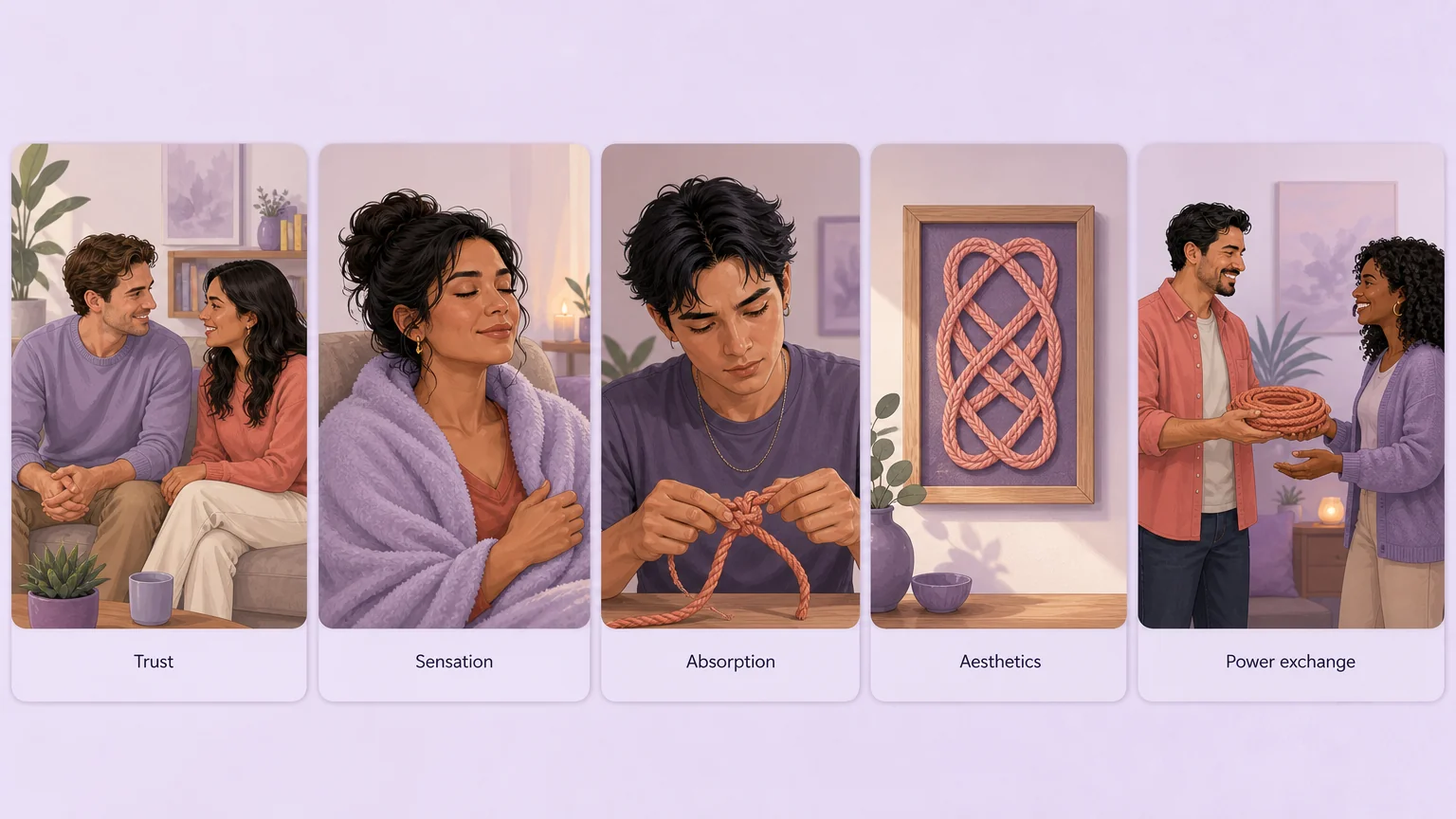
Trust and closeness come first. Rope demands close contact, skin sensation and constant communication, and for many people that is the whole appeal.
Sensation is its own reason. Firm, even compression can feel like being held; people reach for the weighted blanket comparison.
Absorption is another. The person tying is fixed on the knot; the person in the rope on sensation. Both are unusually present, closer to meditation than performance.
Aesthetics count. Patterns, photography, performance and the look of a body in rope are reasons in themselves.
Power exchange is the fifth. Some people use rope to play with control. Others want service, a game, or nothing resembling a power dynamic at all.
Shibari does not have to include penetration or oral sex. A scene can be about restraint, shape, sensation or company.
Pain deserves its own correction. It can be an element, but it should not feel like torture or something to suffer through. The person in the rope sets the level.
If the version you want looks nothing like the loudest one you have seen, that is not a watered-down version. The range is the point.
Shibari Roles: Rigger, Rope Bottom, and Who It’s For
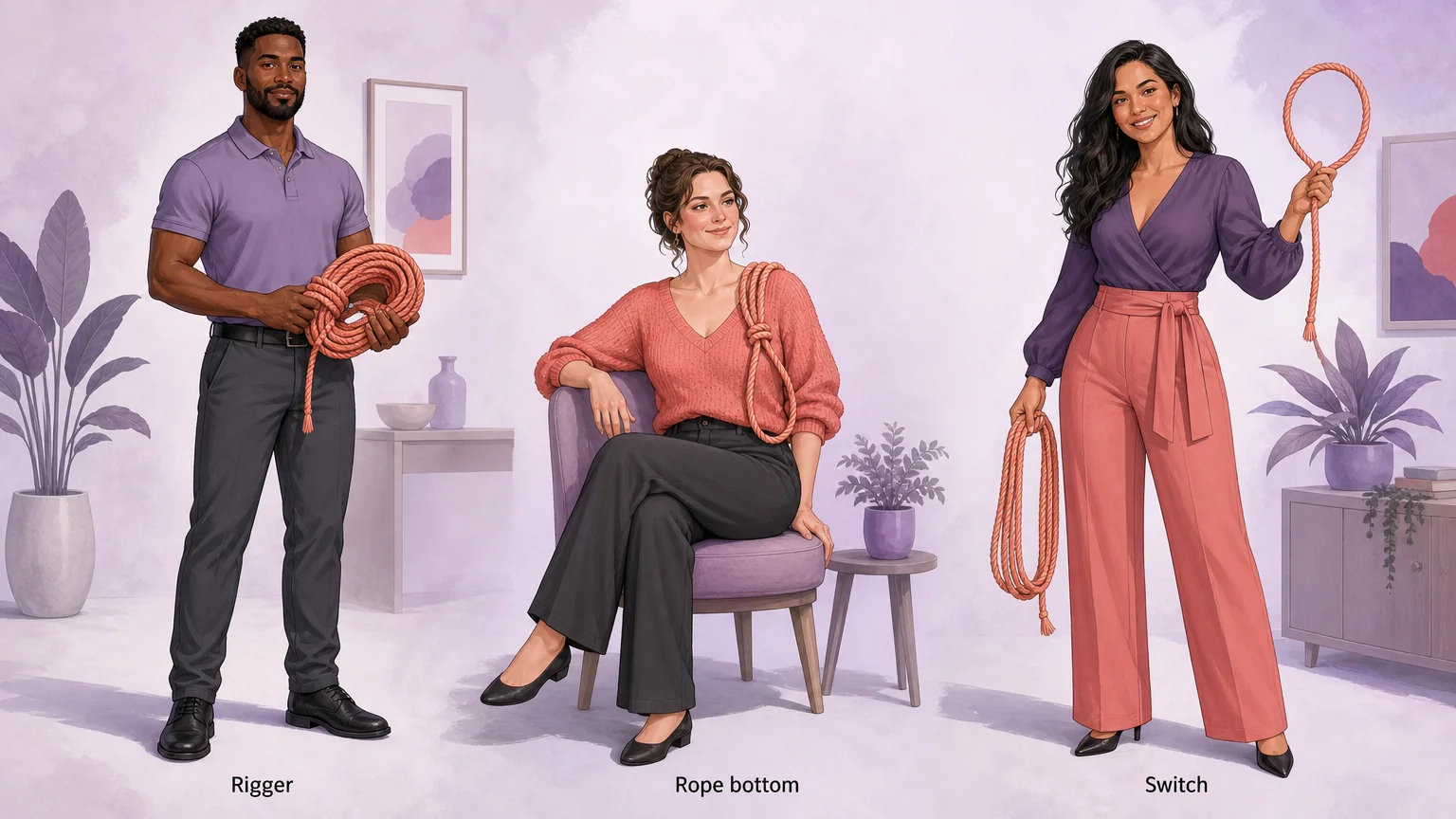
The image most people carry of shibari has a man holding the rope and a woman in it. Put that down gently. It is one configuration, not the default.
The rigger, or rope top, handles the rope. In Japanese, nawashi literally means rope maker, and in rope practice it names a specialist performer; kinbakushi means a kinbaku master, often shortened to bakushi. The rope bottom is the person in the rope. A switch does both.
Those words describe who handles rope, not who holds power. Some scenes are Dominant and submissive, and plenty are not: service, a trust exercise, two people making something beautiful, or two switches taking turns. Bunny is the common word for a bottom and carries gendered assumptions; rope bottom is the neutral term, and any gender can top, bottom or switch.
Who this is for is wider than the photograph: same-sex couples, trans and non-binary readers, larger bodies, disabled people, and people with chronic pain who adapt ties rather than simplify them. Shibari Shawn, a gay rope bondage artist and educator, began rope work in 2016, started teaching monthly workshops for Seattle’s queer leather community after moving there in 2021, co-organized RopeLab: Seattle, a monthly men’s rope group for intermediate to advanced riggers, and opened House of Knotty, the city’s gay rope studio, in 2024. Conor Aphilia describes heavy suspension giving way, after a fibromyalgia diagnosis, to ties adapted to a body that cannot do gymnastics. Modifications are the practice, not a failure.
Solo counts too. Self-tying is a practice, a way to learn and to wake up the skin. No partner is required.
Mismatched curiosity has a plain answer. One curious partner does not obligate the other; you can attend a class alone, and nobody has to try everything or swap roles. Bottoms who say you can do whatever you want often need clearer boundaries before they can feel surrender. That is a skill gap, not a fault.
Public rope spaces tend to be whiter, and queer-focused spaces talk more openly about gender, sexuality and consent.
This is not a straight couples’ hobby.
Shibari Safety: Consent, Nerve Damage, and the Floor Rule
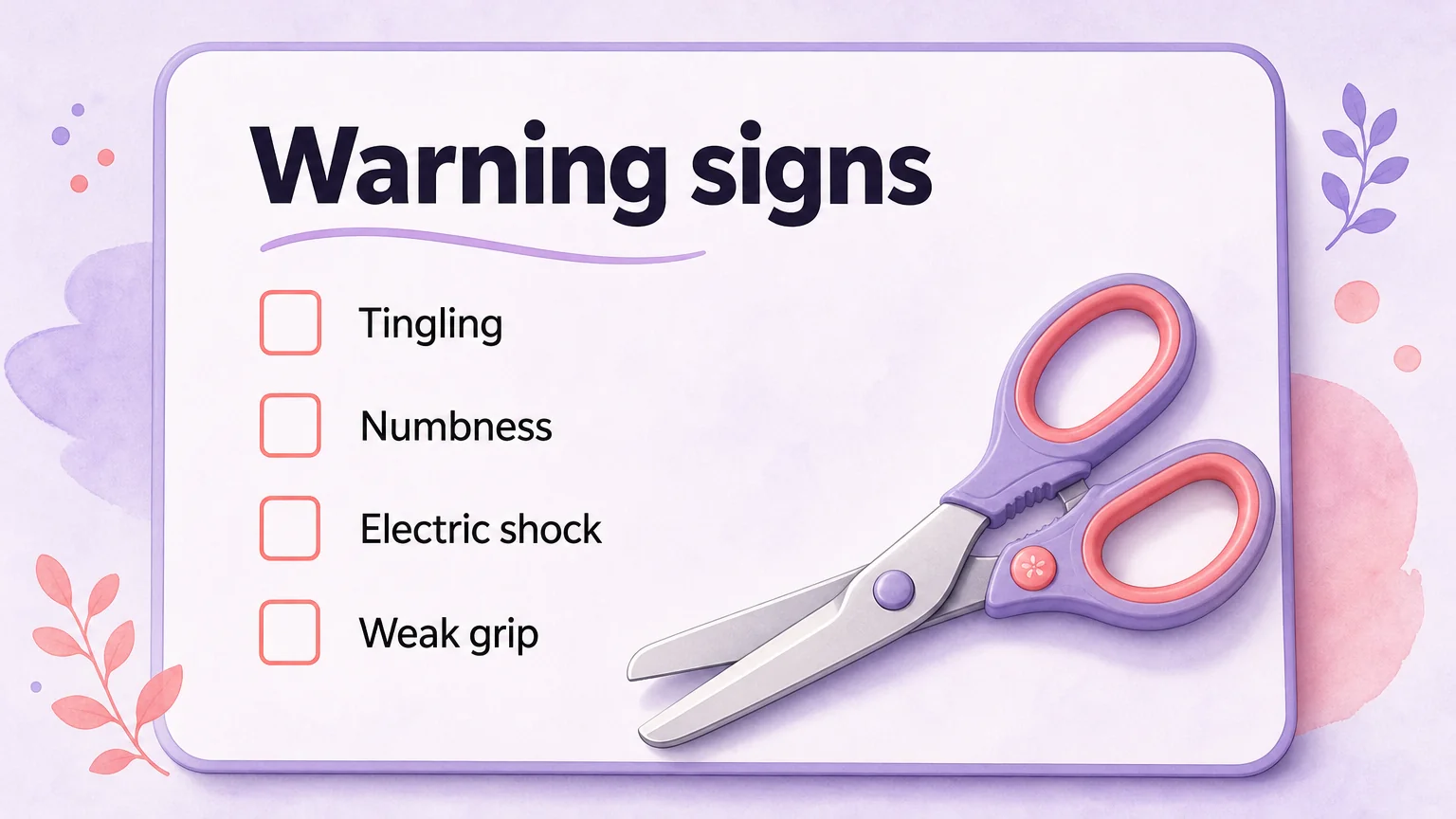
Nerve compression, not blood flow, is the catastrophic risk, and color checks will not catch it.
Negotiation Starts Early
Start about ten days out. Ask about injuries, old fractures, back and neck problems, and what each person wants and fears. Agree on a safe word and a nonverbal signal, which matters with a gag or a face-down tie. Agree on how to ask for a break or decline a tie, then check again mid-scene.
Consent is ongoing, not a signature: what feels good upright can be unwanted upside down. SSC, RACK and PRICK name three consent models, and the useful test is whether the conversation can be reopened.
Nerves, Not Blood Flow
Five structures to know. The radial nerve runs along the outer and back side of the upper arm near the bone; compression numbs the back of the forearm and hand and weakens wrist and finger extension, known as wrist drop. The ulnar nerve is vulnerable at the inner elbow; tingling or numbness in the little finger and half the ring finger points to it. The median nerve can be compressed near the wrist or palm, changing sensation in the thumb, index and middle fingers.
The common peroneal nerve wraps around the outside of the knee, where compression can cause foot drop and numbness on top of the foot, so hip harnesses and futomomos need care. The brachial plexus crosses the shoulder and armpit and needs wide, even bands.
Warning lights, not sensations to push through:
- Tingling, numbness, patches of dead skin
- Electric shock or burning
- Trouble extending the wrist or fingers, or lifting the toes
- Weak grip
Compression can be painless, so the movement check matters more than the pain report. Damage can happen in seconds or build over many sessions. Recovery can take weeks, months, or never be complete; case reports describe severe radial nerve injury after 25 minutes of suspension.
Placement and Response
Keep wraps wide, even and on meatier areas. Avoid narrow, high-tension bands around the mid-upper arm, knots in the inner elbow crease, direct pressure on the spine, and joints under compression.
If symptoms appear, say so, slacken the rope, and seek medical advice if they persist or weakness appears. Mild irritation means stopping and resting the limb. Safety shears stay within reach whenever rope is on skin; in an emergency you cut rather than untie. Never rope the neck, and never run a line from the neck or penis to a hardpoint.
The Floor Rule
In shibari, floor ties come first. Suspension adds falls, hardpoint failure and rigger error on top of nerve risk, and you learn it in person, not from video. Never leave someone alone in bondage. Never self-suspend without a spotter and rated equipment.
Safety is what makes the play possible. It is not the tax on it.
What Rope to Buy for Shibari: Jute, Hemp, or Cotton?
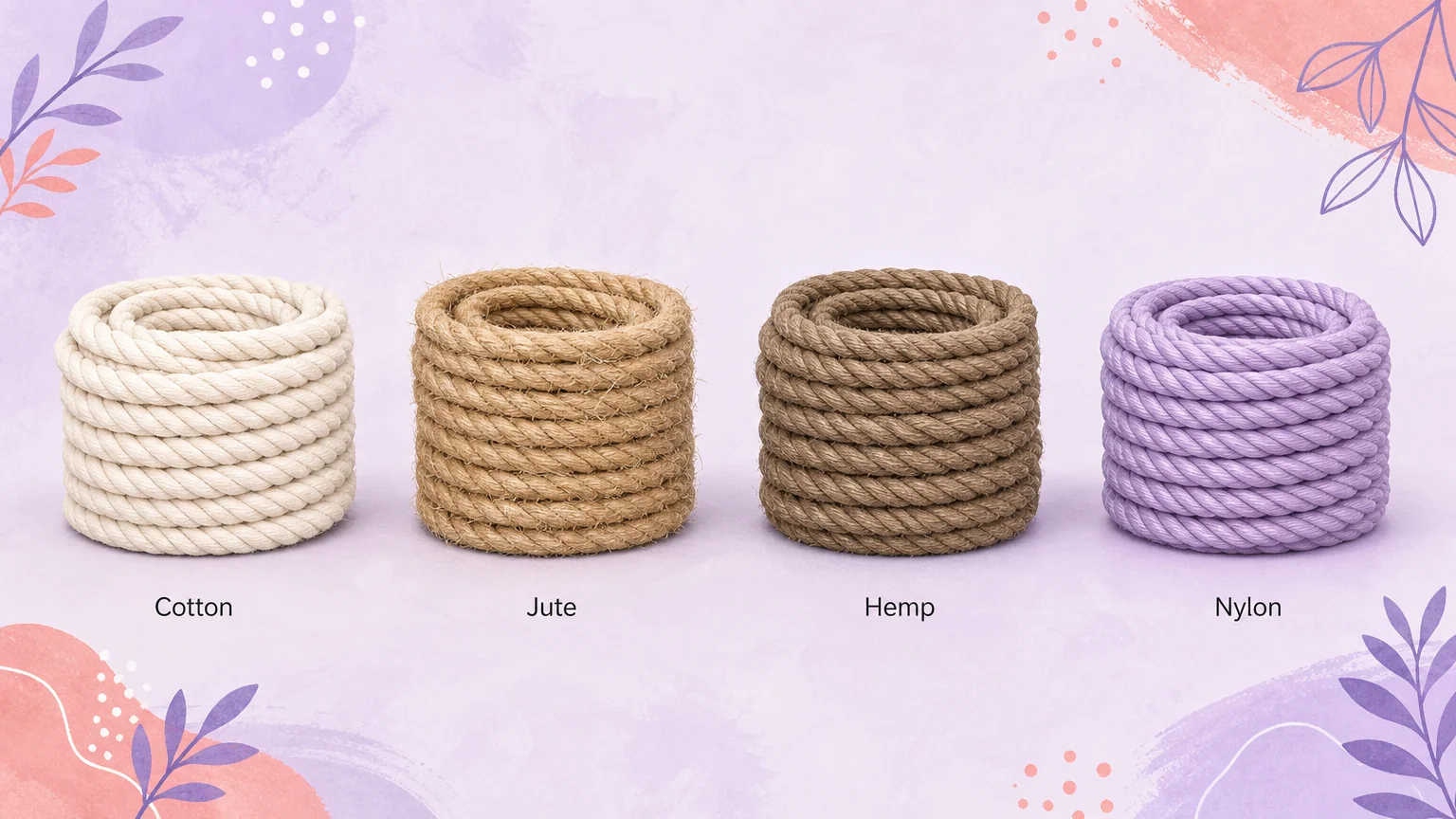
For a first shibari floor tie, cotton is the forgiving choice, and no one needs hemp or jute to begin.
Cotton is soft, holds knots, washes, costs little and rarely triggers allergies, which is why Midori recommends it and says shibari needs no expensive hemp or jute. The catch: cotton is elastic, so a knot left on a body keeps tightening, and it is not for suspension.
Jute gives the traditional look and grips through friction, but it is coarser, has lower tensile strength, comes from a grass-family fiber that can trigger allergies, and often needs safety lines in suspension. Hemp is traditional, strong and durable, and shares the coarseness, price and allergy caveats.
Nylon and polyester are cheap, colorful and washable. Knots do not hold in them, which makes them easy to untie, wrong for suspension, and prone to friction burn.
One word explains the confusion. Asanawa is usually translated as hemp rope but denotes natural-fiber rope generally, and the most common Japanese type is loose-laid, three-strand jute. A listing that says hemp may not mean the fiber you picture.
The buying list: a handful of 6 mm lengths in the 7 to 8 meter range, plus safety shears, the one purchase that is not optional. Inspect for fraying and stiffness, wash what can be washed, retire anything fuzzy.
One bag of cotton rope and a pair of shears. That is the entry cost.
How to Learn Shibari: Your First Class and First Year
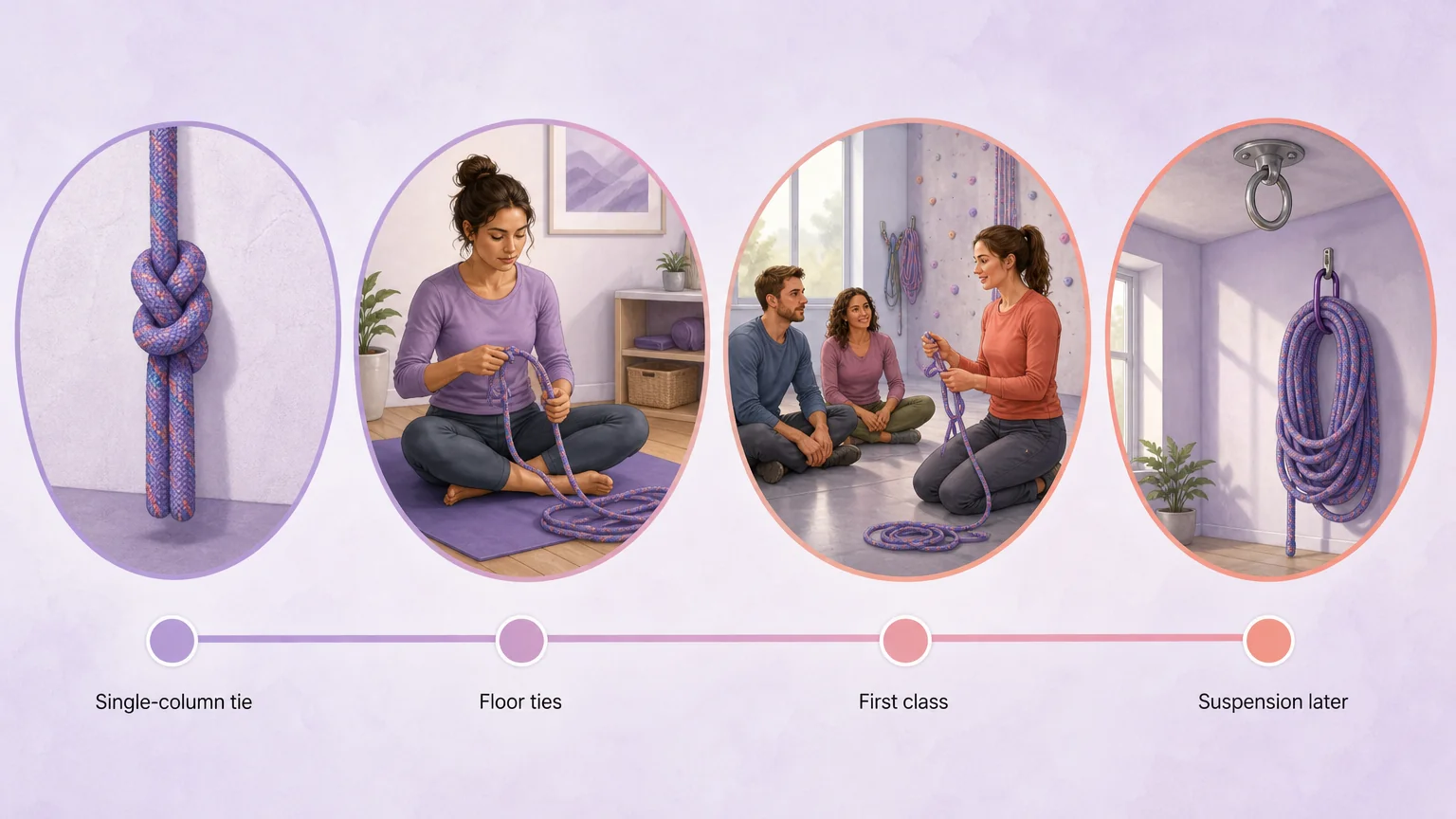
You can learn a single-column tie and a double-column tie from video. Practice on your own ankles, then on a pillow, before you put rope on a person. What video cannot do is see your tension or placement.
Learn suspension in person. What goes wrong is rarely the knot. It is the judgment.
A good first shibari class is a conversation before it is a tie. A private first class at Kinbaku Nest in Paris runs about two and a half hours: experience, expectations and limits first, then guided practice with individual feedback, then a review. Rope and equipment are provided.
Bring flexible clothing that stays put, nothing bulky that catches rope, water, a notebook, and a few intentions about what to explore and avoid.
Ask before you book. Do you teach nerve anatomy and circulation checks? What comes before suspension? How are consent and limits handled? How big is the class? Who did you train with?
The progression is unglamorous. Single column, double column, a simple harness, floor ties, tying to furniture, then a class, and suspension only with rated equipment, a spotter and in-person instruction. Suspension is one branch, not the summit. A furniture tie can be more striking and far kinder to the body.
A realistic first month: two ties learned well, one class attended, no suspension, and a body that knows more about itself than it did.
Shibari Aftercare and Rope Drop: What to Expect

Start at the moment the rope comes off. Untie slowly and check circulation and sensation as you go. Warm up, drink water, eat something, get a blanket. Decide before the scene who needs quiet and who needs company, because that conversation is much harder afterward.
Shibari can leave you calm, connected and sometimes high. When the feel-good hormones wear off, a comedown can follow. Rope drop is common, can arrive after the scene or the next day, and is chemistry rather than a verdict on what just happened.
Both people can get it. Tops crash after the intensity of top space too, and the crash cannot be bypassed, only managed.
What helps: planned aftercare, a next-day check-in, food, sleep, company, and naming it out loud instead of treating it as evidence that something went wrong. That planned care is what turns a good scene into a good memory.
Underneath the physical risk sits an emotional one. Rope can surface memories, fears and associations nobody planned for. Stopping a scene for emotional reasons is a complete reason to stop, not a failed scene. Persistent low mood or anxiety deserves support, not self-blame.
If you want to keep having conversations like these, 3Fun is a dating app for open-minded couples and singles of every orientation.
Shibari FAQ: Common Questions, Answered
What is shibari?
Shibari is Japanese-style rope bondage: tying a person with rope for restraint, sensation, aesthetics or closeness. The word is the everyday Japanese noun for tying. It can be sexual, and it does not have to be; sex and pain are options, not requirements.
Is shibari the same as kinbaku?
The words are often used interchangeably. Kinbaku means tight binding and carries the more explicitly erotic charge, while shibari is the broader word for tying. You will also see shibari bondage and Japanese bondage, umbrella terms for the same practice rather than separate ones. Some Western writing splits shibari as aesthetic and kinbaku as sexual, but Japanese practitioners have not historically made that division.
Does shibari have to be sexual?
No. It can be, and it can equally be about restraint, closeness, shape or company, with no penetration or oral sex involved. The same answer covers pain: discomfort can be part of it, but it should not feel like torture or something to endure. The person in the rope sets the level.
Do you need a partner to try shibari?
No. Self-tying is a legitimate practice and a good way to learn, and many studios allow solo attendees or pair people up, with a partner optional. Practice on your own ankles or a pillow first, and know that self-suspension is a different risk category needing a spotter and rated equipment.
Is shibari cultural appropriation?
It can be. The samurai lineage and spiritual inheritance stories are the clearest example, since shibari grew out of Japan’s adult entertainment industry rather than a warrior tradition. Practicing respectfully means learning the dated history, crediting the Japanese practitioners and lineages you learn from, and not treating Japan as a costume or a mood.